 FREE SHIPPING AUSTRALIA WIDE FOR ORDERS OVER $90
Why is Manuka honey so effective for healing wounds
Manuka honey takes a complex, multi-pronged approach to wound healing. Its qualities work together to clean the wound, control bacteria, and support the growth of healthy new skin. This comes down to a combination of factors: its natural sugar and osmotic properties, antioxidant and anti-inflammatory compounds, hydrogen peroxide, and its own unique bioactive superstar – MGO. (5)
Protective Barrier and Osmosis
Raw honey is a dense, viscous liquid with humectant properties, meaning it draws in and holds onto moisture – which is exactly how honey keeps a wound moist while it heals. That same density also forms a physical barrier over the wound, helping keep bacteria out.
The high sugar content and low moisture of honey also create an osmotic effect (or pressure) – when honey meets a wound, or bacteria, it draws water out through osmosis. For bacteria, this is what starves and dehydrates them, stopping them from growing or multiplying. For the wound itself, this same osmotic action helps draw out excess fluid (wound exudate) from the tissue, which is part of what helps bring down swelling, tenderness and redness at the wound site. (5)
Antioxidant, Antimicrobial and Anti-inflammatory
The potent antibacterial activity of honey isn’t due to just one thing – it is a team effort of many components acting in synergy with one another. Alongside the osmotic effect, honey is naturally low in pH (making it acidic), which most bacteria can’t tolerate. It also produces hydrogen peroxide, a mild antiseptic that is toxic to bacteria – but at levels far too low to harm our cells. What makes Manuka honey stand apart is an extra layer on top of all this – a naturally occurring compound called MGO, which brings its own unique antibacterial strength that other honeys don’t have. This multi-pronged attack is usually why Manuka honey continues to work effectively against bacteria that have become resistant to traditional antibiotics, i.e. the “superbugs” like golden staph. Antibiotics are usually built to target one specific weakness in bacteria, so given enough time, bacteria can evolve a way around that single attack. With sugar, acidity, hydrogen peroxide and MGO all working on the bacteria at once in Manuka honey, there’s no single thing for the bacteria to adapt to.
Honey also contains polyphenols and flavonoids, compounds with antioxidant and anti-inflammatory properties. These work alongside our own immune system to help calm inflammation at the wound site. Honey also contains amino acids, which can help stimulate the growth of specific skin cells responsible for building tissue, known as fibroblasts and epithelial cells. (3)
Hydrogen Peroxide
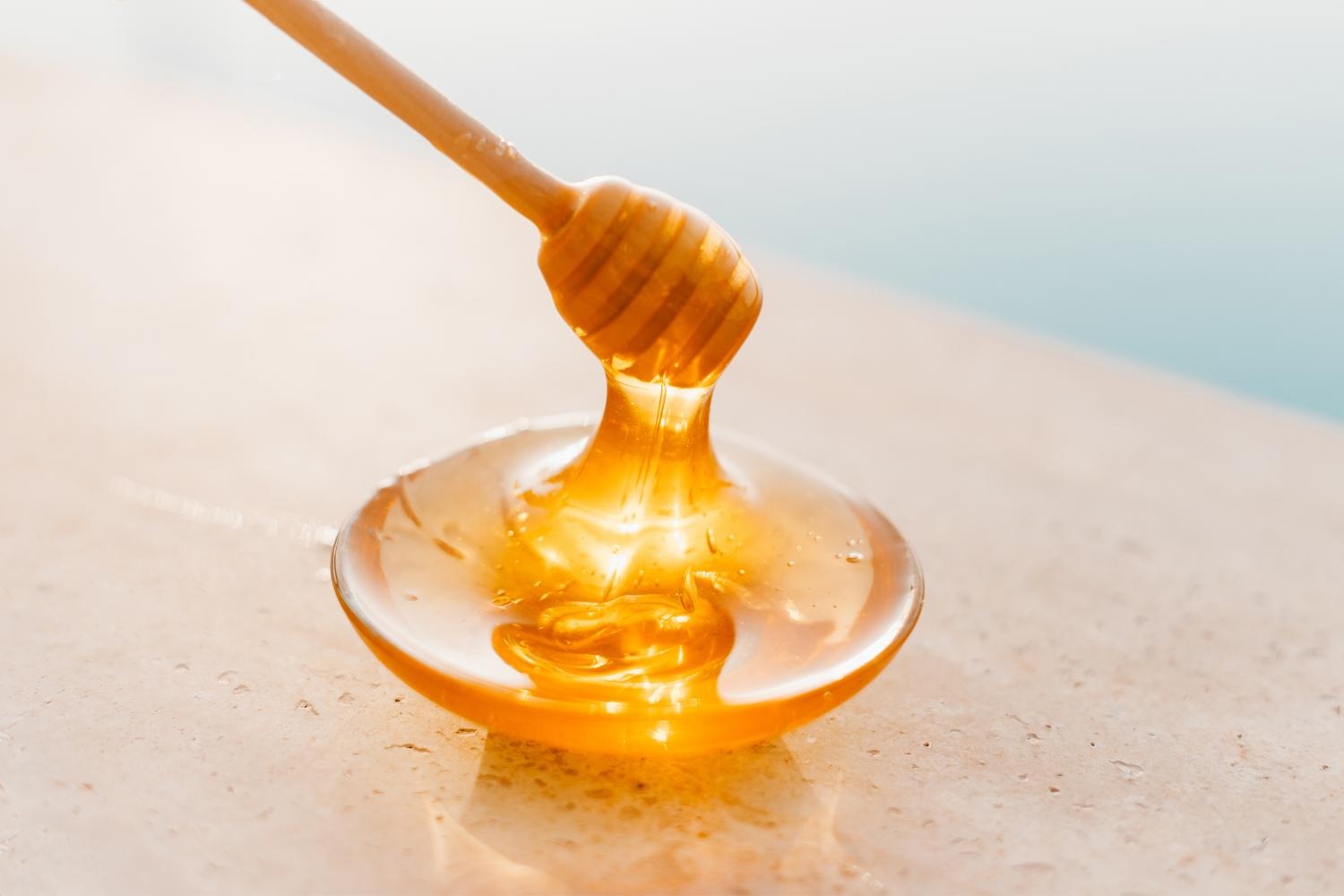
When bees turn nectar into honey, they add an enzyme called glucose oxidase. Once honey is diluted (as it is on a wound) this enzyme activates and produces hydrogen peroxide, essentially a very mild bleach. It’s toxic to bacteria, but at levels low enough to be completely harmless to us. This is often referred to as the “peroxide activity” of honey, which is measured as part of the Total Activity (TA) of honey. Note: Total Activity measurements also include the contribution of sugar and pH to the antimicrobial activity.
The catch is that, like most enzymes, glucose oxidase is sensitive to heat and light, and can be destroyed by processing or poor storage conditions. The peroxide derived activity of honey depends heavily on how gently it’s been handled from hive to jar. The enzyme also needs both dilution and access to oxygen to keep producing hydrogen peroxide, so in a deep wound or under an occlusive dressing (where oxygen is limited) this particular defence naturally drops away. This is exactly where the other bioactive compounds in honey, like phenolic acids, can kick in since they remain active even without oxygen. This is part of why honey continues to work well in low-oxygen wound environments ever as hydrogen peroxide activity fades. (6)
Superstar MGO
Manuka honey has extra antibacterial activity that sets it apart. This activity is referred to as non-peroxide activity, and it comes from methylglyoxal or MGO. This naturally occurring compound forms from a precursor found in the nectar of Leptospermum (Manuka) flowers, and we don’t see this MGO-derived non-peroxide activity in other honeys. Because MGO is chemically stable, and not reliant on enzymes like hydrogen peroxide, the antibacterial strength is more reliable. The broad-spectrum, persistent activity is part of why Manuka honey has continued to work in clinical settings even where other treatments have failed, including against bacteria that no longer respond to conventional antibiotics.(6)
Nourishing the Skin
Beyond its antibacterial action, honey has other bioactive components that support the skin as it heals. It contains natural enzymes with a gentle cleansing, pH-balancing effect, along with trace amounts of vitamins (including B and C) and minerals like potassium, calcium, magnesium and phosphorous. These are present in small quantities, but they add to its overall bioactive profile.
Altogether, these properties are part of why Manuka honey is such a well-rounded wound care option – it moisturises the skin, keeps the wound clean and moist during healing, controls bacteria and infection, and supports the growth of healthy new skin cells, helping reduce both healing time and scarring.
How to treat wounds with Manuka honey
The best honey for wound care is Medical Grade honey. Medical Grade Honey has been gamma irradiated to remove any botulism spores that may be present. This process makes the honey safe for use on deep wounds and for oral care. Medical Grade honey continues to retain its beneficial bioactive compounds and MGO.
How to treat wounds with Manuka honey:
Step 1: Clean the wound to remove all debris.
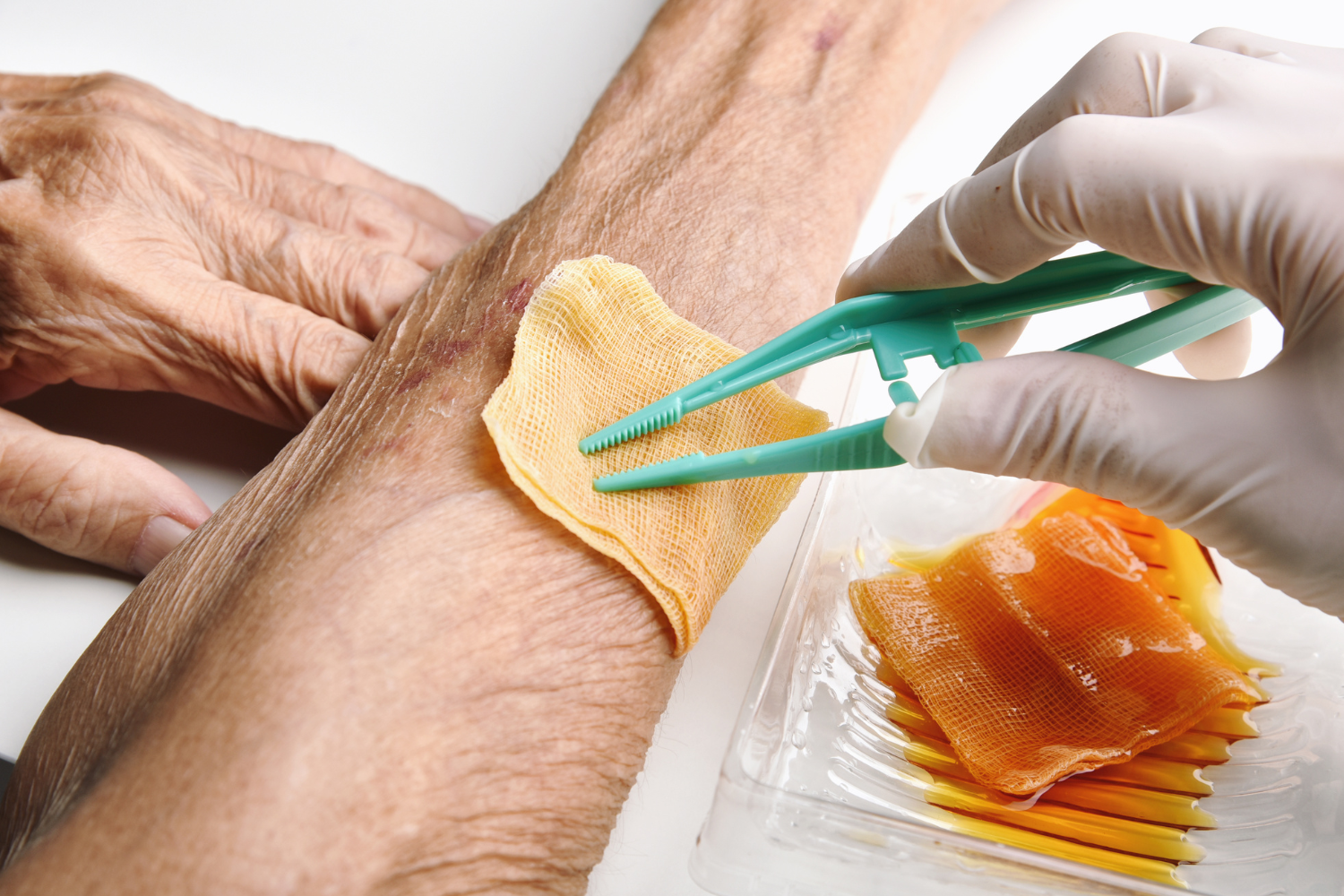
Step 2: Apply Manuka honey to the wound covering the entire area of the wound. Deeper wounds such as abscesses may need to be filled with honey.
Step 3: Apply a clean dry dressing to cover and protect the wound. Additional Manuka honey can be added to the dressing if required to fully cover the wound. Occlusive dressings are best as they seal the honey inside the dressing.
Step 4: Change dressing regularly to begin with, daily or every second day. You may want to clean the wound in between dressings or simply apply more Manuka honey as required. Redress the wound in the same fashion.
Types of wounds to treat with Manuka Honey
A quick note: this is general information, not medical advice. Manuka honey can be a great addition to first aid kits for minor cuts, grazes and everyday wounds, but it isn’t a substitute for professional care. For anything deep, large, not healing as expected, showing signs of infection, or if you’re at all unsure – please see a doctor, nurse or wound care specialist.
Choosing the Right Honey
For wound care, medical-grade Manuka honey is the gold standard. To be classed as medical grade, honey needs to meet two key criteria: it must be sterile, so it isn’t introducing any potentially harmful bacteria into the wound; and it must be tested to confirm a high level of antibacterial activity. This sterilisation is usually done through gamma irradiation, which removes the risk of botulism spores while leaving the beneficial compounds in honey (including MGO) intact. When choosing a product for wound care, look for one that’s appropriately packaged and registered with the Therapeutic Goods Administration (TGA) as a medical device.
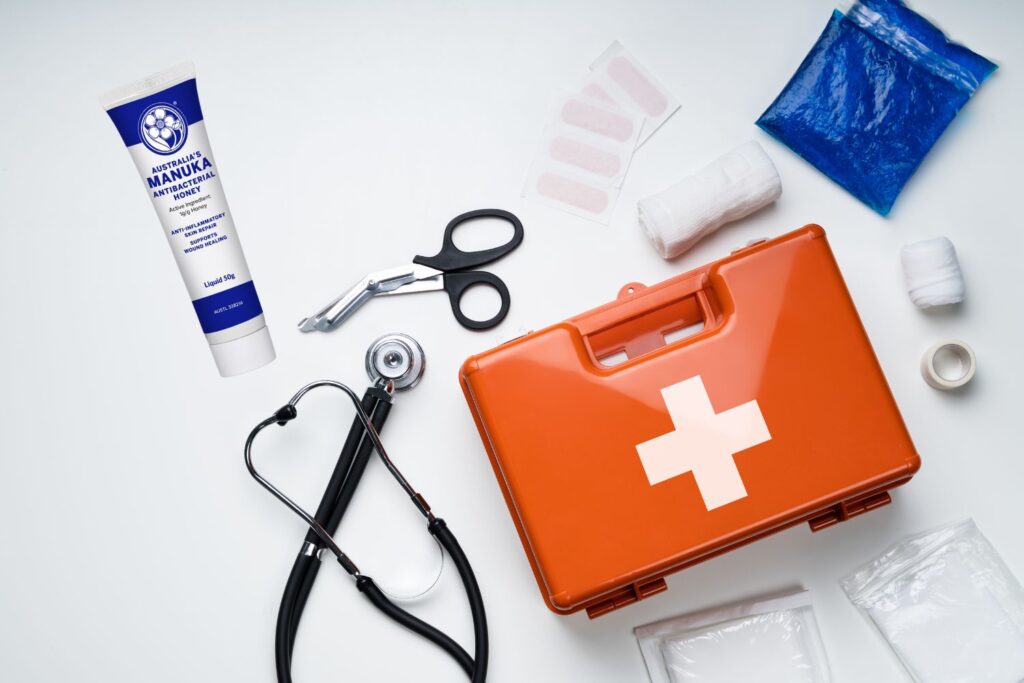
Our medical-grade tubes of honey are great for first aid kits, travelling, and easy to use on wounds, acne or in oral care. They’re TGA (Therapeutic Goods Administration) Listed, and have been shown in clinical studies to be effective for wound care.
General Approach
Everyone’s situation is different and it’s always worth chatting with a healthcare professional about how to best care for a wound. Here is a general sense of how Manuka honey is commonly used:
- Clean the area first, removing any visible debris.
- Apply honey generously over the wound area – deeper areas may need to be gently filled.
- Cover with a clean, dry dressing. An occlusive dressing helps keep the honey in place.
- Change the dressing regularly, reapplying honey as needed.
Treating other wounds with Manuka Honey
Honey, and Medical-grade Manuka honey more specifically, has a long track record across many different wound types – chronic and acute wounds, burns, surgical wounds, leg ulcers, pressure sores and more. Here’s a closer look at a few specific situations where it’s commonly use, though as always, it’s best to treat wounds in consultation with a wound clinician or your GP, particularly for anything chronic, infected, or slow to heal.
Acne
Because honey helps stop microbes from growing (and worsening a breakout), and its anti-inflammatory action helps calm redness, soreness and swelling, it’s also a popular natural option for acne. It can be used as a spot treatment or spread more broadly left on for around 10 minutes before washing off with warm water. A light mist of water beforehand helps activate the natural enzymes in honey.
Bed sores
Bed sores are particularly hard to treat as they are caused by sustained pressure, reduced blood flow and damaged skin cells. Often, they are in people who are immobile or unable to easily relieve the pressure themselves. A clinical trial found Manuka honey dressings were more effective than a standard dressing used in the study for healing pressure ulcers. (1)
Diabetic wounds
Diabetes can reduce the body’s ability to heal itself, so even a small scratch can a serious problem. In some severe cases, diabetic ulcers can progress to the point where amputation is needed. Manuka honey has shown promise as a treatment of diabetic ulcers, including in studies where honey-impregnated dressings helped speed up healing. Diabetic wounds should always be managed under the guidance of a doctor or medical professional, given how much is at stake if things don’t heal as expected. (2)
Surgical wounds
Manuka honey is safe to use on surgical wounds, and medical-grade honey is the appropriate choice here. As with any surgical wound, this is best done in consultation with your surgical and wound care team.
Infected wounds
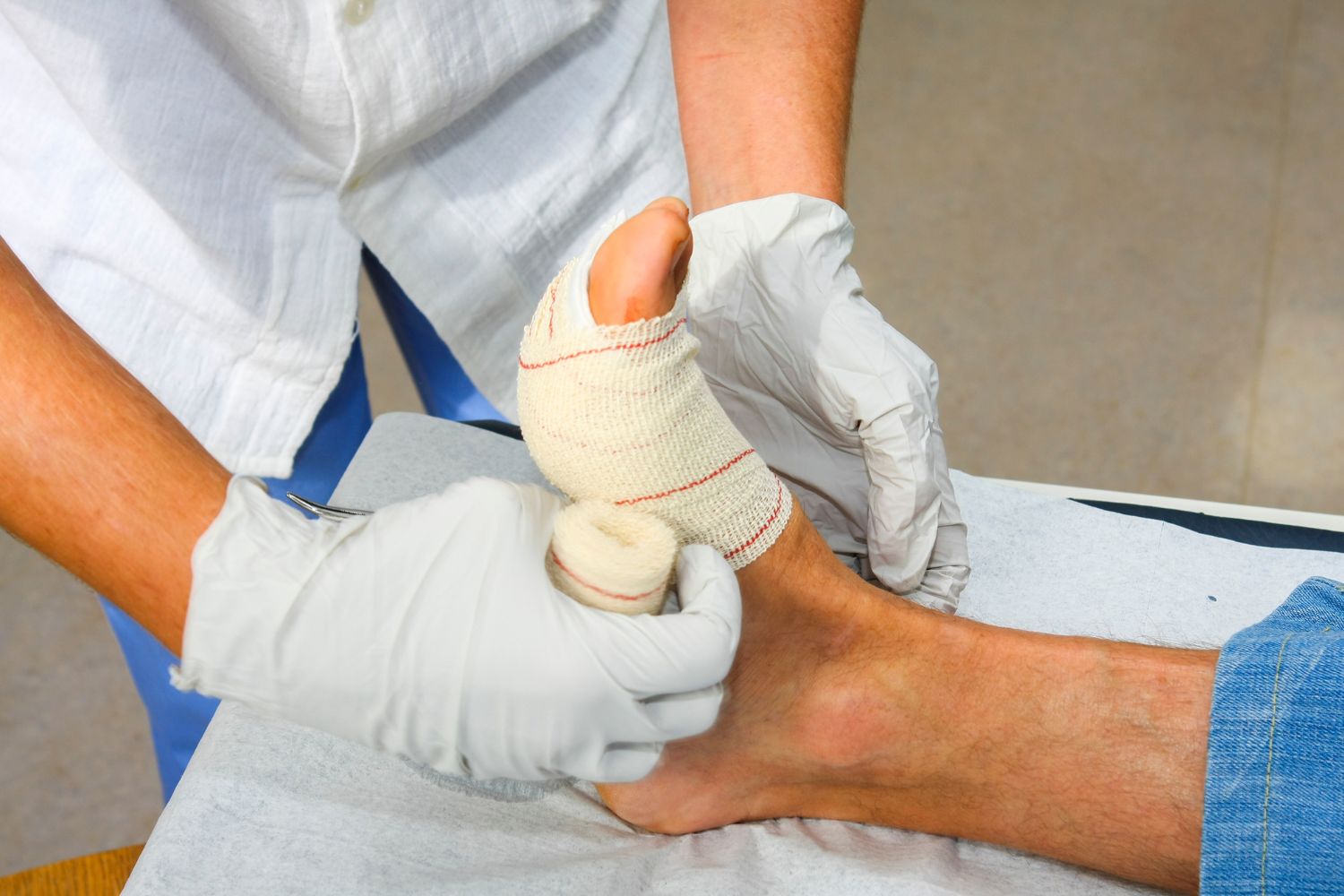
With antibiotic-resistant bacteria on the rise, one of the most remarkable things about honey is that despite thousands of years of use, there are no reported cases of bacteria developing resistance to it – and researchers haven’t been able to induce resistance in the lab either, even under conditions that rapidly produce antibiotic resistance. This is part of why Manuka honey continues to be a genuinely useful (though under utilised) option even when antibiotics and other conventional wound treatments have stopped working.
Burns
For minor burns, Manuka honey can help by keeping the site moist, calming inflammation, supporting healthy skin cell growth, and providing an antibacterial barrier against infection. All of this can support a faster, more comfortable healing process. Anything beyond a minor burn should always be assessed by a medical professional.
Delicate Wounds
Manuka honey is gentle enough to be safe on delicate areas of the body, including genital skin. For example, some people use it for minor perineal discomfort following childbirth (but we would always recommend checking in with your doctor first).
Manuka honey is also sometimes used on breast tissue for mild mastitis symptoms during breastfeeding, and one of our own customers has shared that she found it in easing discomfort while weaning her daughter. Mastitis can occasionally progress and require medical treatment, so we’d recommend checking in with a lactation consultant or your doctor if symptoms do not settle quickly.(4)
We recommend you speak to a healthcare professional or doctor if symptoms persist or you have a large, life threatening or significant wound.
We recommend you speak to a healthcare professional or doctor if symptoms persist or you have a large, life threatening or significant wound.

Are there risks with using honey to heal wounds
Complications with raw honey
Raw honey generally refers to honey that has not been heated above 40 °Cor pasteurised – though it’s worth noting “raw” isn’t a formally defined term under Australian food standards, so it’s more a shared industry convention than a regulated one. Staying below this temperature threshold is what preserves the enzymes and other bioactive compounds we’ve talked about throughout this article.
Raw honey is generally safe to apply to minor wounds, but we would always suggest using a medical honey-based wound care product that has been appropriately packaged and tested for this purpose (i.e. sterile, known levels of antibacterial activity, TGA approved).
Note: One thing worth knowing honey of any kind (raw or otherwise) shouldn’t be given to infants under 12 months old to eat, due to a small risk of botulism spores. Their immune systems aren’t yet developed enough to handle it. This is specifically about ingestion though, not topical use on skin.
For deeper or more serious wounds, medical-grade honey (rather than raw honey straight from a jar) is the best choice as it has been sterilised and prepared specifically to remove any risk of introducing foreign matter (including microbes) into the wound while keeping its beneficial compounds fully in tack. One practical note: honey is sticky! Don’t worry though, it washes off easily with water.
Allergic reactions
True honey allergy is extremely rare. What’s more common is a reaction to trace amounts of pollen present in the honey, particularly for people who already have pollen allergies or hay fever – this can sometimes be mistaken for a honey allergy itself. If you’re unsure, spot-testing honey on a small area of skin before wider use is always a sensible idea. If you notice any reaction, discontinue use.
Our Medical Grade tubes of honey are great for first aid kits, travelling and convenient to use on wounds, acne or in oral care. Our tubes are TGA (Therapeutic Goods Administration) Approved and they have been scientifically proven for effective use in wound care.
Manuka honey MGO strength
You will often see Manuka honey labelled with MGO, NPA, or UMF® – and it’s easy to assume these all mean the same thing, but they don’t. MGO is the global standard as it is the most accurate see here for more information.
MGO is a direct chemical measurement of how much Methylglyoxal is actually in the honey, in parts per million (ppm) or milligram per kilogram (mg/kg). This is the antibacterial potency marker, and it’s the standard Australian producers, including us, generally use.
NPA (non-peroxide activity and UMF® (Unique Manuka Factor), on the other hand, sit on the same scale as each other and can be compared directly. UMF® is a New Zealand trademark built on the original NPA bioassay (also called the phenol equivalence assay), with some extra authenticity and freshness markers layered on top (more on that below). So, an NPA rating and a UMF® rating of the same number represent the same level of antibacterial activity (usually shown as a number with “+” or “%” after it, indicating its activity compared to a known phenol standard). Because MGO is measuring something different to NPA/UMF®, it sits on an entirely separate scale and cannot be compared to either of them. As a very rough guide:
- NPA/UMF® 5+ ≈ MGO 83
- NPA/UMF® 10+ ≈ MGO 263
- NPA/UMF® 15+ ≈ MGO 514
- NPA/UMF® 20+ ≈ MGO 829
A “higher” MGO honey doesn’t automatically mean a stronger honey than one with a “lower” NPA or UMF® rating – always check which scale you are actually looking at. For example, a honey labelled MGO 83 might look more impressive next to one labelled NPA 15+, but based on the guide above, that NPA 15+ honey is actually equivalent to roughly MGO 514 – considerably more potent, despite the smaller-looking number at a glance.
History of Honey as a Medicine
The use of honey as a medicine goes back almost as far as human history itself. Some of the earliest rock art ever found, in places as far apart as Africa, Australia, Spain, India, Bhutan and Sri Lanka, depicts people collecting honey from wild hives. Honey (and bees) held sacred or medicinal significance across an extraordinary range of cultures, from ancient Egypt and Greece to Rome, China and the Islamic world. Many sacred texts specifically mention the medicinal uses of honey. The ancient Egyptians were arguably the first large-scale beekeepers, moving hives up and down the River Nile by barge to follow the seasonal flowering – and honey featured in over 500 of their 900 known medical prescriptions, particularly popular as a wound salve.
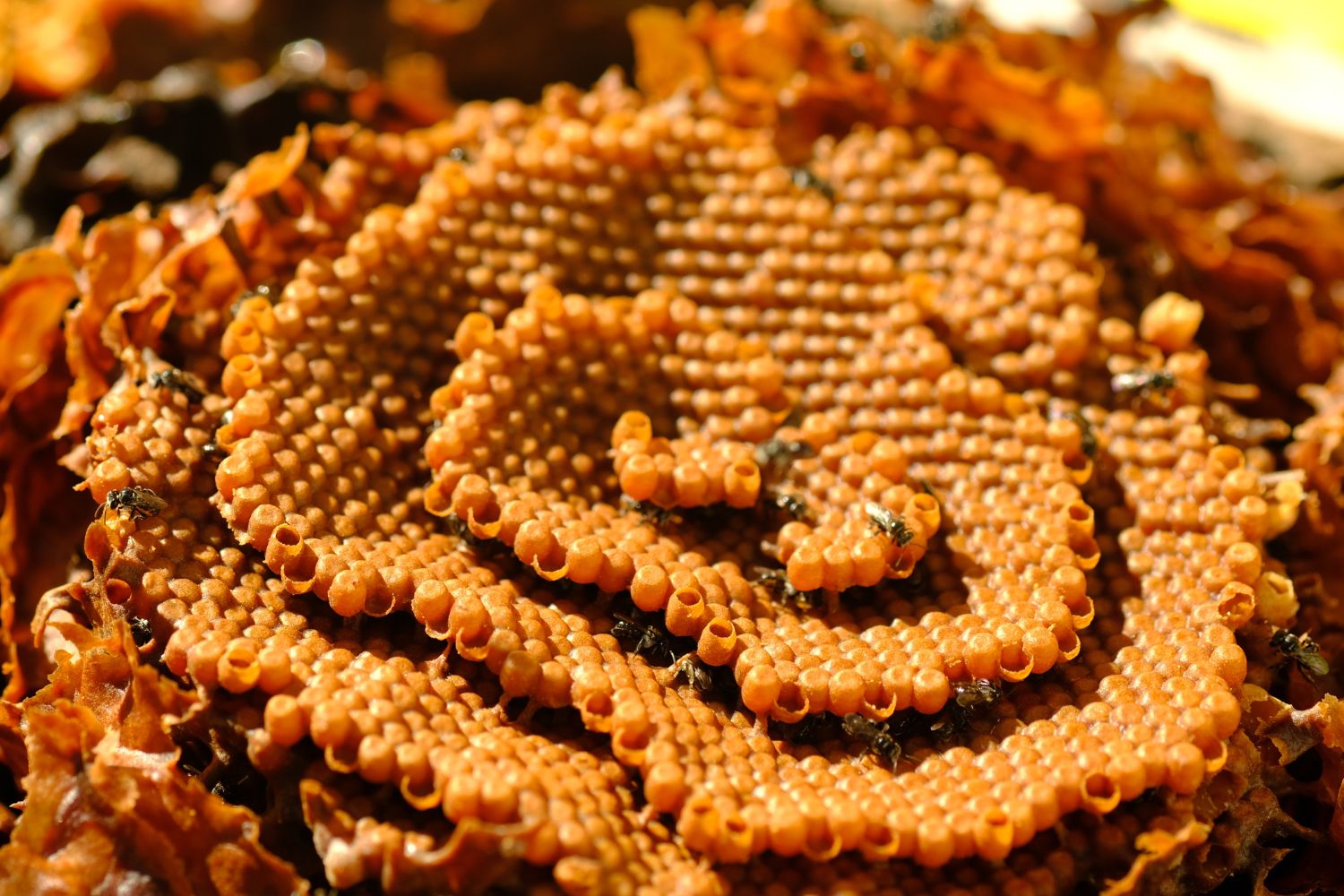
First Nations Australians have used honey as a bush medicine for over 60,000 years, and were likely among the first people anywhere to discover the properties of Leptospermum (manuka) honey, gathered from Australia’s native stingless bees – known as sugarbag bees. Where we live, the Bundjalung Nation, Leptospermum grows in many varieties, and there’s evidence First Nations Australians have lived on this country for tens of thousands of years. Bundjalung people collect sugarbags (honeycomb full of honey) from local trees, using it for medicine, trade, gifting and food.
The use of honey as a wound treatment specifically dates back to at least ancient Sumer, with texts from around 2000 BC among the earliest written records of it used this way. It remained a mainstay of wound care across cultures and centuries, right up until the introduction of antibiotics in the 1940s – after which honey was largely dismissed by modern medicine as an outdated folk remedy.
Today, that’s changing again. With antibiotic resistance on the rise, and a much clearer scientific understanding of how honey actually works, we’re circling back to something people have known intuitively for thousands of years: honey is an effective medicine, not just a historical curiosity.
References
1.Yapucu Güneş, Ülkü; Eşer, İsmet, (2007), Effectiveness of a Honey Dressing for Healing Pressure Ulcers, Journal of Wound, Ostomy and Continence Nursing 34(2):p 184-190, March 2007. | DOI: 10.1097/01.WON.0000264833.11108.35
https://journals.lww.com/jwocnonline/abstract/2007/03000/effectiveness_of_a_honey_dressing_for_healing.16.aspx
2. Kamaratos, A.V., Tzirogiannis, K.N., Iraklianou, S.A., Panoutsopoulos, G.I., Kanellos, I.E. and Melidonis, A.I. (2014), Manuka honey-impregnated dressings in the treatment of neuropathic diabetic foot ulcers. Int Wound J, 11: 259-263. https://doi.org/10.1111/j.1742-481X.2012.01082.x
3. Kapoor N, Yadav R. (2021), Manuka honey: A promising wound dressing material for the chronic nonhealing discharging wounds: A retrospective study. Natl J Maxillofac Surg. 2021 May-Aug;12(2):233-237. doi: 10.4103/njms.NJMS_154_20. Epub 2021 Jul 15. PMID: 34483582; PMCID: PMC8386265.
4. Thatcher, A, (2004), Massey Papers, https://www.massey.ac.nz/massey/fms/DCRU10/Animal/Papers/Microsoft%20Word%20-%20Manuka%20honey%20and%20mastitis%20v2.pdf
5. Combarros-Fuertes P, Fresno JM, Estevinho MM, Sousa-Pimenta M, Tornadijo ME, Estevinho LM, (2020) Honey: Another Alternative in the Fight against Antibiotic-Resistant Bacteria? Antibiotics (Basel). 2020 Nov 4;9(11):774. doi: 10.3390/antibiotics9110774. PMID: 33158063; PMCID: PMC7694208.
6. Molan, P, (2012), Whats special about Active Manuka Honey, PDF7, Waikato University Papers
https://www.academia.edu/2187608/Pdf_7_Whats_special_about_Active_Manuka_Honey