 FREE SHIPPING AUSTRALIA WIDE FOR ORDERS OVER $90

10 useful ways to use Manuka honey
Since the introduction of antibiotics and other pharmaceuticals in the 1940s, we have largely moved away from using honey as a medicine. Before that, honey had been used across many cultures for wound care and other medicinal purposes. It is still used in some countries today, prized for being a natural, low-cost and readily available therapeutic agent with an excellent shelf-life. More recently, a growing body of scientific research has looked into the health benefits of honey across a range of conditions – and Manuka honey in particular has been shown to offer something beyond other raw honey types, and it stems primarily from its unique and potent antibacterial activity (aka it’s ability to kill bacteria and other microbes that cause infections and disease).
Most honeys get their antibacterial activity through the production of hydrogen peroxide, which is like a weak bleach that is toxic to microbes (germs that cause infections). During honey production, bees add an enzyme called glucose oxidase to nectar, and when honey is diluted (as it is in the wound, or in your body), that enzyme reacts with water and oxygen to produce small amounts of hydrogen peroxide. This is the same mild antiseptic you might recognise from your own first aid kit. The trouble is, as with all enzymes, glucose oxidase is sensitive to heat and light – so this kind of antibacterial activity can be easily weakened by processing or poor storage. Manuka honey works differently. It contains Methylglyoxal (MGO), a naturally occurring antibacterial compound so it has an ‘added’ antibacterial strength compared to other honeys. The MGO-derived activity of Manuka honey is often referred to as “non-peroxide activity”, and unlike the enzyme driven hydrogen peroxide activity, MGO is far more stable and not broken down by light, moisture or heat. Therefore, Manuka honey holds onto its antibacterial strength more reliably than most other honeys. You can read more about MGO here.
Raw Manuka honey is a whole superfood, rich in bioactive compounds including antioxidants, bioflavonoids, phenolic compounds and MGO. It also acts as a prebiotic, which means it acts as a food source for the beneficial bacteria already living in our gut (different from probiotics, which are foods containing live beneficial bacteria that we introduce into the gut). The prebiotic effect of Manuka honey comes from natural oligosaccharides (complex sugars) that we can’t digest ourselves, so they pass through to our lower gut (large intestine) where they help feed the billions of beneficial bacteria like Bifidobacterium and Lactobacillus, and promote the production of beneficial compounds in our gut called short chain fatty acids that play a protective role against the development and progression of many gut conditions and diseases. There is growing evidence that this can also help crowd out less welcome bacteria in the gut, improving overall health and immunity. When ingested, Manuka honey also provides anti-inflammatory benefits and can help soothe irritated airways, which is part of why it is such a popular natural remedy for coughs and sore throats.
Applied to the skin, the anti-inflammatory, antioxidant, immunostimulatory and wound healing properties of Manuka honey support the growth of healthy new skin cells in both humans and animals – making it an effective wound care agent. It has potent antibacterial (and antimicrobial, more broadly) activity, particularly effective against the two bacteria most commonly responsible for wound infections: Staphylococcus aureus (including the antibiotic-resistant MRSA) and Pseudomonas aeruginosa. Studies have also found that Manuka honey has a mild analgesic effect, helping to ease pain when used in wound dressings. You can find more on Manuka honey for wound care in our dedicated blog post here.
It’s worth understanding, though, that this antibacterial action only comes into play where the honey makes direct contact with the affected area, such as on the skin, in a wound, or as it passes over the mouth and throat. Once swallowed, that direct contact is lost, so further along the digestive tract, we’re relying on the other bioactive properties of Manuka honey instead, like it’s anti-inflammatory and prebiotic effects. Separately to MGO, Manuka honey is also naturally high in antioxidants and phenolic compounds, giving it anti-inflammatory properties that are not reflected in just the MGO number itself.
Here are our top tips on how to use Manuka honey
1. Straight off the spoon
Manuka honey can be eaten straight off the spoon as a daily health booster. As a general rule, the higher the MGO number, the stronger the antibacterial activity of Manuka honey.
Manuka honey may also offer some benefit for gut ulcers and other gut conditions, though the evidence does not yet support it as a standalone treatment. Since the direct antibacterial action of MGO does not reach that far, any benefit here is more likely linked to anti-inflammatory (from phenolic compounds) and prebiotic (from complex sugars and phenolic compounds) effects, rather than directly killing bacteria in the gut. If you have a gut ulcer or other gut condition, it is worth speaking to your doctor rather than relying on honey alone.
We recommend: 30+ MGO or 100+ MGO for an everyday boost; 250+ MGO or higher for a sore throat or mouth ulcer, where the honey has more direct, ongoing contact with the affected tissue.

2. Stirred into a warm tea or coffee 30+MGO
Manuka honey can be stirred into a warm drink. While it’s MGO content is heat-stable, honey also contains other beneficial compounds, like enzymes and some antioxidants, that are more heat-sensitive and can be damaged by high temperatures. To preserve as much of this goodness as possible, let your drink cool slightly before stirring through your Manuka honey to sweeten.
We recommend: 30+MGO for warm drinks.

3. On your next breakfast 100+MGO
Manuka honey is a great way to start your day. Drizzle it on toast, yoghurt, pancakes or muesli (or our favourite way, on a cheese toastie!). As a natural sweetener, Manuka honey has a mid-range Glycaemic Index (GI) compared to table sugar and other processed syrups, meaning it provides a more sustained release of energy rather than a quick spike. It’s a great breakfast choice for health-conscious and busy people, and for kids too.
We recommend: 100+ MGO as an everyday breakfast honey.

4. Part of a healthy smoothie 250+MGO
Manuka honey is great way to naturally sweeten a smoothie, adding bioactive compounds that support your overall health and wellbeing. Simply prepare your smoothie as usual and add 1-2 teaspoons of Manuka honey to sweeten.
We recommend: any MGO grade works well here – it’s really down to personal preference. We like a 250+ MGO for a superfood smoothie, which gives the perfect balance of sweetness with high level of bioactive compounds that complement those already in your berries.
Strawberry Smoothie Recipe
- 1 frozen banana
1/2 cup of strawberries (fresh or frozen)
-
2 tablespoons of natural yoghurt or coconut yoghurt
- 2-3 tablespoons of hemp seeds, protein powder or collagen
- Splash of preferred milk (you’ll need more if the fruit is all frozen)
- 2 teaspoons of Manuka honey
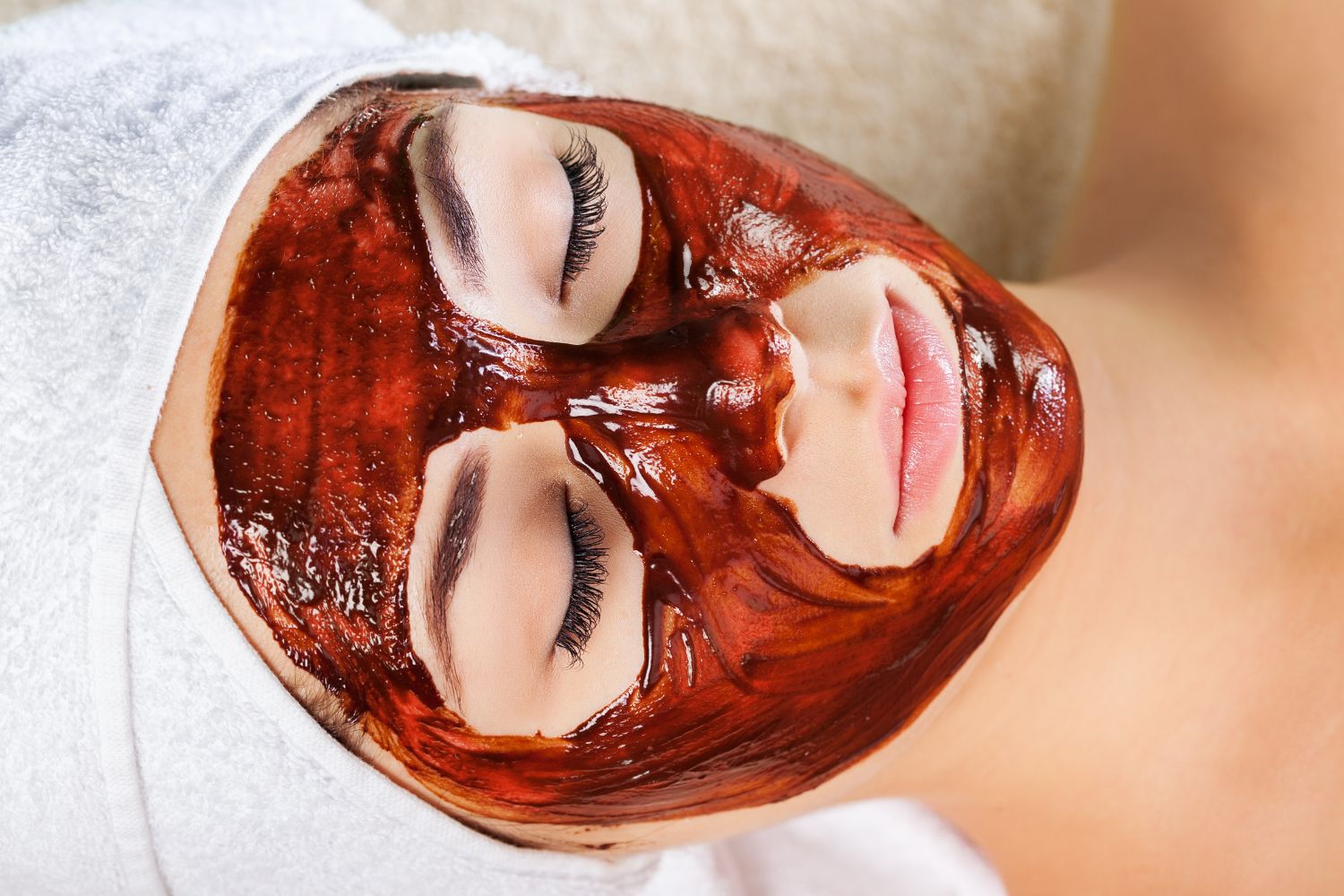
5. DIY face mask 400+MGO
Face masks are great way to nourish your skin. You can use Manuka honey on its own (if you can resist the urge to lick it off while it works its magic!) or add it to a homemade face mask recipe.
The combination of antibacterial and anti-inflammatory properties of Manuka honey make it a great natural option for breakout-prone skin. It helps to target the bacteria involved in breakouts while calming redness and inflammation at the same time. Manuka honey can be a daily part of your skin routine, or a special treat every now and then. If you are using an exfoliating recipe, once a week is usually enough (we love it on self-care Sundays).
We recommend: 400+ MGO as a good minimum for face masks, though higher grades can also be used. Lower grades would be suitable for everyday use.
Manuka honey straight up mask
To use on its own simply clean and moisten the skin, spread 1-2 teaspoons of honey on the face and leave for 10 minutes. Wash off with warm water, don’t forget to tie back your hair as it gets sticky.
Bentonite clay and Manuka honey Mask
Mix the following ingredients in a small bowl and apply to a clean face.
- 1 teaspoon of Bentonite Clay
- 1 teaspoon of Manuka honey
- Quarter teaspoon of Organic Apple Cider Vinegar
- 2 drops of your fave Essential Oil (optional)

6. Soothe dry throat and cough 550+MGO
Coughs, colds and common flu can really knock you about, and Maunka honey is a well-loved natural way to find some relief, especially for a stubborn and persistent cough. The soothing effect of honey on coughs is well studied. Research in children has found that honey can ease coughing and improve sleep more effectively than over-the-counter cough medicine, and the World Health Organisation recognises honey as a treatment for cough.
(Note: honey of any kind should not be given to infants under 12 months old.)
Most everyday coughs and some sore throats are caused by viruses rather than bacteria, so the benefit of honey here comes largely from its soothing, coating effect on irritated tissue, rather than from directly killing an infection. For sore throats caused by bacteria, the MGO in Manuka honey can have a direct antibacterial effect. That said, if you have symptoms that suggest a bacterial infection like strep throat (such as sudden severe sore throat, fever, swollen glands, or white patches on the tonsils, usually without a cough), it is important to see a doctor, since strep throat needs proper diagnosis and treatment to avoid rare but serious complications. Manuka honey can be a great addition alongside medical treatment (like antibiotics) but cannot always replace it completely.
For a sore throat, we suggest taking small amounts regularly through the day, letting the honey sit at the back of the throat where it is sore before swallowing. Alternatively, mix the honey in a small amount of warm (not hot) water, and sip it – holding it in your throat or even using it as a gargle before swallowing. For a cough, Manuka honey can simply be eaten straight off the spoon. Many people find 1 – 2 teaspoons before bed helps settle a nighttime cough, with another 1 – 2 teaspoons if you wake up coughing. Because honey has this soothing effect on cough and can support better sleep, there is no need to worry about having it right before bed.
More information here on treating coughs with Manuka honey.
We recommend: 550+ MGO for coughs and sore throats.
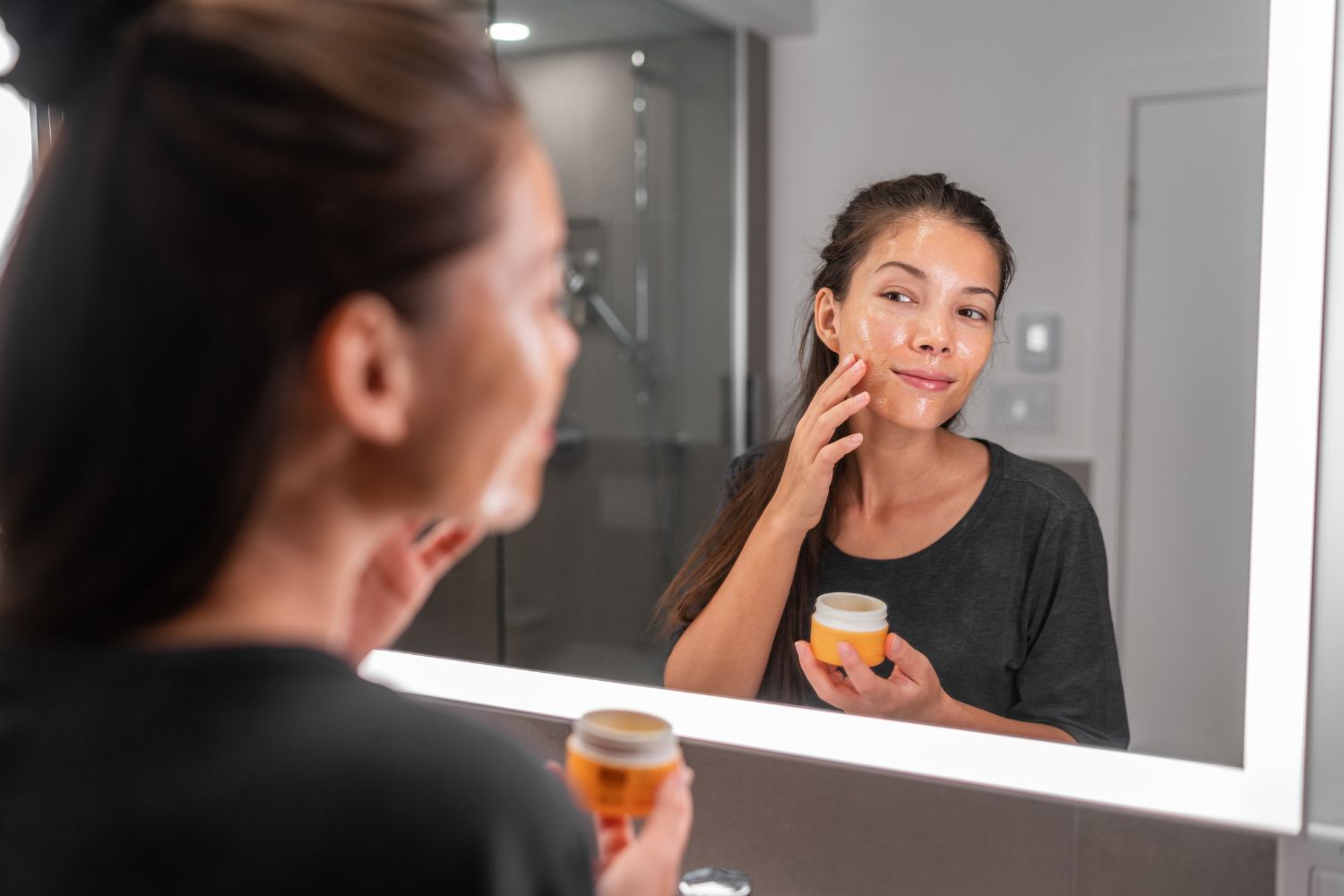
7. For skin conditions 850+MGO
Due to its antibacterial, anti-inflammatory and wound-healing properties, Manuka honey is a great natural option for a range of skin conditions – helping the growth of healthy new skin cells while calming redness and inflammation. For acne, spot-treating or using regular face masks is a great way to target breakouts and reduce inflammation.
There is also promising early research into Manuka honey for eczema (atopic dermatitis). A small clinical study found topical Manuka honey improved eczema symptoms compared to untreated skin over a week of nightly use, which may be related to its antibacterial action against Staphylococcus aureus (a bacteria commonly found on eczema-affected skin), alongside its anti-inflammatory effects. Although it may not be a replacement for your regular eczema treatment, it can be a valuable complementary addition. To try it, mix Manuka honey with your favourite natural oil (coconut oil is a favourite for us) or aloe vera – the trick is to use one part honey to two-three parts oil or aloe vera to make a soothing balm. For more on how to use Manuka honey for your skin see here.
We recommend: 850+ MGO for skin conditions.

8. Wounds, burn and sunburn care 850+MGO
Antibiotic resistance is a growing concern in healthcare, as some bacteria are evolving to withstand treatments that once worked reliably. Interestingly, bacteria have not been shown to develop resistance to Manuka honey the same way – likely because honey works differently to antibiotics and attacks bacteria in multiple ways at once rather than through a single mechanism that they can adapt around.
The evidence for honey in wound care is strongest for burns, where a Cochrane review of clinical trials found honey helps second-degree burns heal noticeably faster than conventional dressings. For everyday cuts and abrasions, the antibacterial and moisture-retaining properties of honey make it a great addition to a band aid or dressing, keeping the area protected while it heals. Our wound care tube is a perfect addition to any first aid kit. Note: Expect a slight sting when first applied, due to the naturally low pH of honey.
For minor burns, Manuka honey helps keep the area moist during healing, which supports the skin’s natural repair process. For anything beyond a minor burn (e.g. larger than a hand’s size, deep, or on the face, hands or genitals) please seek medical care rather than self-treating. Manuka honey is also great for sunburn relief. Mix one part Manuka honey to three parts aloe vera to make a soothing cream, and store it in the fridge for a cool application 2 – 5 times a day. The mixture can ferment if it is stored too long, so make it in small batches (any leftover mix doubles nicely as a face mask).
More information on Manuka honey and wounds can be found here.
We recommend: 250+ MGO as the minimum for wound and skin care, with 850+ MGO as a popular choice for faster or more effective results.

9. Oral Care 850+MGO
It might seem counterintuitive that a honey, which is mostly sugar after all, could be good for your teeth and gums. But the antibacterial strength of Manuka honey appears to make the difference. Small clinical studies have found it can reduce dental plaque and gum bleeding, working against the same bacteria responsible for plaque and gum disease, with effects comparable to a common antibacterial mouthwash (chlorhexidine). It is also a popular choice for soothing mouth ulcers and helping freshen breath, by reducing the bacteria that cause it. Research into the benefits of Manuka honey post Wisdom Teeth removal post-surgery has seen promising results for pain relief and healing support.
Manuka honey can be applied directly to the problem area as needed or added to a small amount of water and used as a gargle – and you’ll still want to brush your teeth as normal! If you are prone to cavities or have ongoing dental concerns, it is worth chatting to your dentist about how honey fits into your routine.
We recommend: 850+ MGO or higher for oral care.

10. Stubborn or Acute Conditions 1200+MGO and 850+Tubes
For something that is not clearing up as quickly as you’d like – a stubborn sore throat, cut, or skin irritation – a higher MGO honey or one of our tube products can offer extra antibacterial strength. If you notice signs of an actual infection (especially worsening) like increasing redness, swelling, heat, pus, or fever – that is a sign to see your doctor rather than relying on honey alone.
Our antibacterial honey tube products are TGA-listed for oral care and skin care. The skin care tube uses medical-grade Manuka honey that has been tested and approved for wound use, to avoid introducing anything foreign into the wound, which is what makes it suitable for use on deeper wounds – something we would not recommend using regular raw honey for. Refreshing the bandage daily (or more frequently, if needed) using this honey can help support both stubborn and ongoing skin concerns.
We recommend: 1200+ MGO for stubborn conditions taken by mouth, or our 850+ MGO TGA-listed tube products for deeper or more persistent skin conditions.
How much Manuka honey should I take?
For most people, Manuka honey is safe to enjoy regularly as part of a healthy diet. If you are diabetic or have a pollen allergy, it is worth speaking to your doctor before using honey regularly, since it is still a concentrated source of sugar, and, in rare cases, raw honey can trigger a reaction in people with pollen allergies. Although it is made from nectar, there are still traces of pollen in raw honey.
If you are using Manuka honey for a sore throat, cough or cold, we recommend continuing regular use for 3-5 days, or until your symptoms ease. For a burn or wound, reapply daily (at least) for the first 2-3 days and once you see an improvement, you can redress and reapply every 2 – 3 days until you no longer need a dressing.

How long does Manuka honey take to work?
For wounds and burns, you should notice the area feels soothed quickly, with visible improvement often showing within a day or so. For skin conditions, it tends to soothe quickly, though it may take a few applications to see a good result.
For coughs, the soothing effect can usually be immediate. Sore throats often show good improvement within a day or two. For gut-related benefits, this is more of a slow and steady effect than a quick fix – since it works through supporting your gut bacteria overtime rather than directly fighting an infection or irritation. Daily use for a couple of weeks is recommended before expecting to notice a difference. Regular, consistent use is key across the board.
If your symptoms persist or if you have a more serious condition, we recommend seeking advice from a medical professional.
Shop our latest Manuka honey products today!
If you want to use Manuka honey daily, we have a great range of 1kg value packs in 30+MGO, 100+MGO, 250+MGO and 400+MGO. These are great value for money and you can choose from four different MGOs. If you have oral or digestive issues, skin concerns, burns, wounds or get sick regularly a high MGO would be more beneficial such as 550+ and 850+. For acute conditions 1200+ is a suitable level of MGO.
We have a range of Manuka honey MGO’s and sizes to suit everyone. Manuka honey is a beautiful and useful gift for anyone! For birthdays, Christmas, secret santa, anniversaries or new baby. Our 2000+MGO luxury boxed range is the gift to give someone who already has everything.

I’m looking to healing myself naturally with manuka honey daily for my lungs and skin I also take extra virgin Olive oil every day is their anything else you can suggest that would benefit me
Hi Loyce, thank you for your question, we would recommend you speak to a naturopath about remedies to heal yourself naturally. It is hard to know without knowing your diagnosis. Manuka honey is a great natural remedy for many ailments, a naturopath could assist you in furthering your health journey. Wishing you good health, Australia’s Manuka Team
Cierpię na ból stawów dłoni i stóp , jest to choroba zwyrodnieniowa dziedziczna. Jakie stężenie miodu powinnam spożywać , aby przekonać się , czy to pomaga ?
Dziękujemy za komentarz. Przepraszamy, jeśli tekst nie jest dobrze napisany po polsku. Skorzystaliśmy z Tłumacza Google. Nie jesteśmy pewni, na jaką dolegliwość cierpisz i czy istnieją badania potwierdzające skuteczność miodu manuka w leczeniu. Miód manuka działa przeciwzapalnie i jest prebiotykiem, więc wspiera zdrowie jelit. Oznacza to, że może wspierać ogólny stan zdrowia i dobre samopoczucie. Nadal trwają badania nad innymi schorzeniami, które można leczyć miodem manuka. Dla ogólnego wsparcia zdrowia i dobrego samopoczucia 400+ MGO jest świetne, ale dla bardziej ukierunkowanego leczenia dobre będzie silne MGO.
How many teaspoons do you take a day
Hi Ann thank you for your comment, we eat many spoons of honey every day! Do you have a specific condition you are concerned about? Generally for most people raw honey is safe and healthy to eat, obviously people with health conditions like diabetes need to be more careful. Thanks Australia’s Manuka Team