 FREE SHIPPING AUSTRALIA WIDE FOR ORDERS OVER $90
-
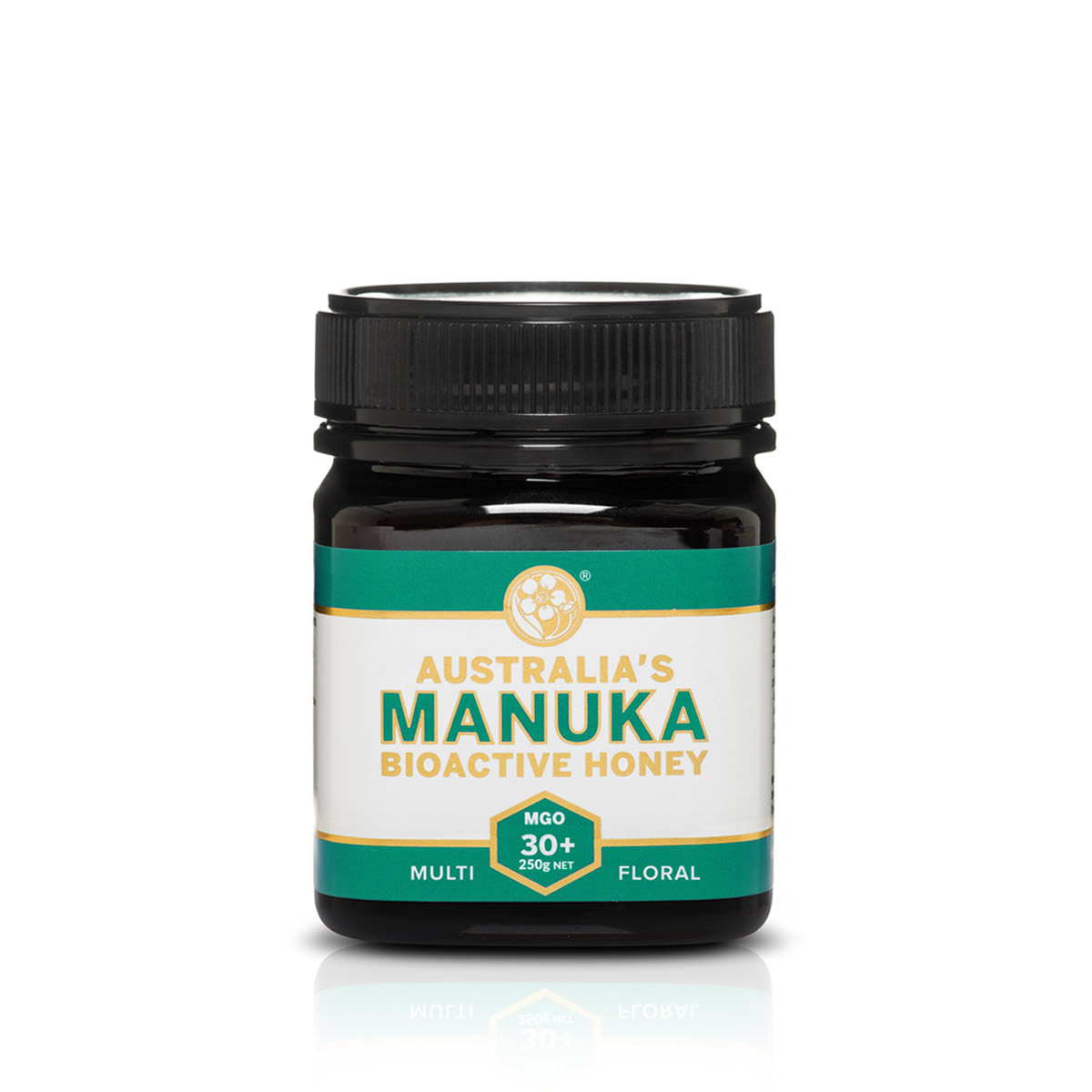
MGO 30+ EVERYDAY HEALTHY TREAT
$15.50 Choose Size This product has multiple variants. The options may be chosen on the product page -
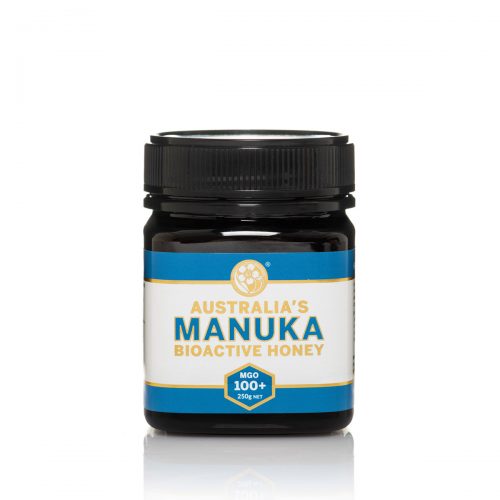
MGO 100+ DAILY MAINTENANCE DOSE
$18.95 Choose Size This product has multiple variants. The options may be chosen on the product page -
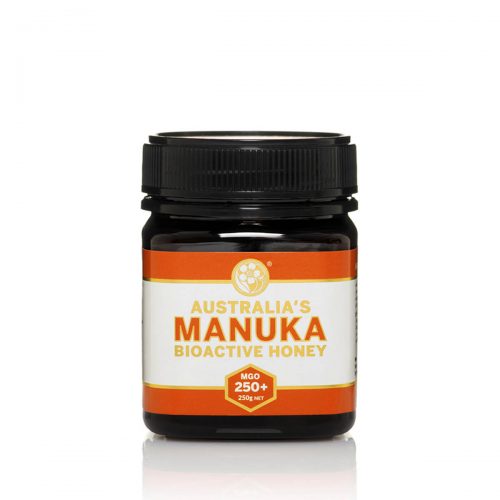
MGO 250+ SCIENTIFICALLY ANTIBACTERIAL
$28.95 Choose Size This product has multiple variants. The options may be chosen on the product page -
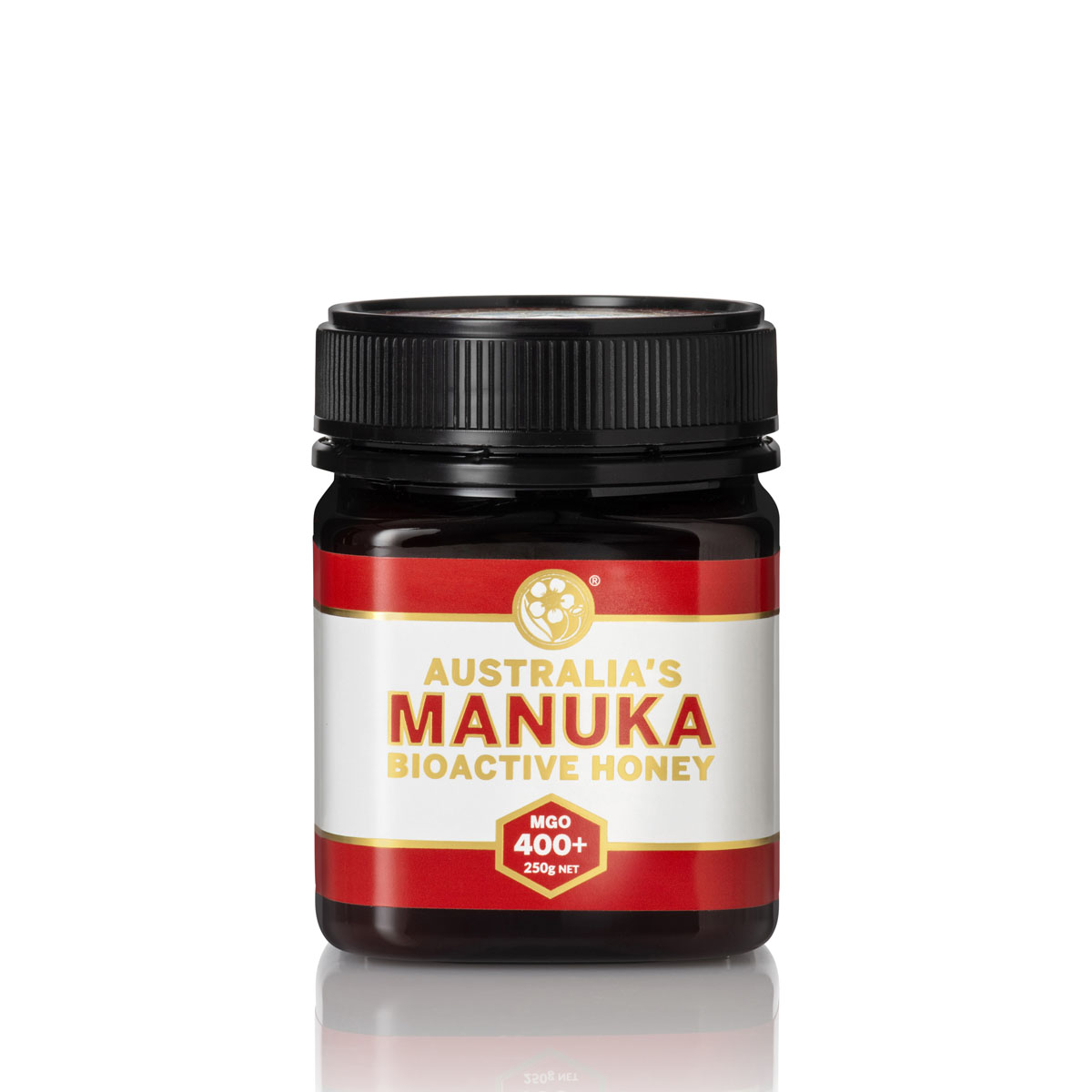
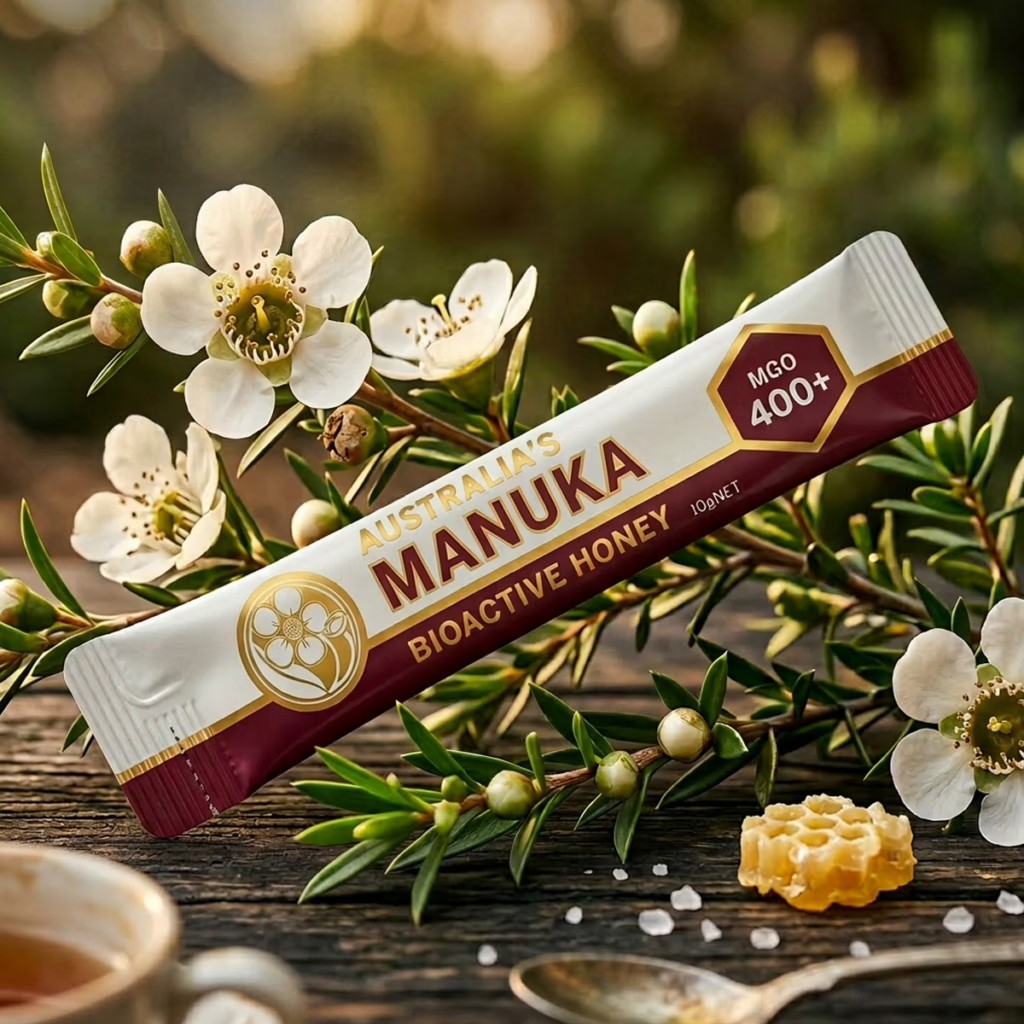
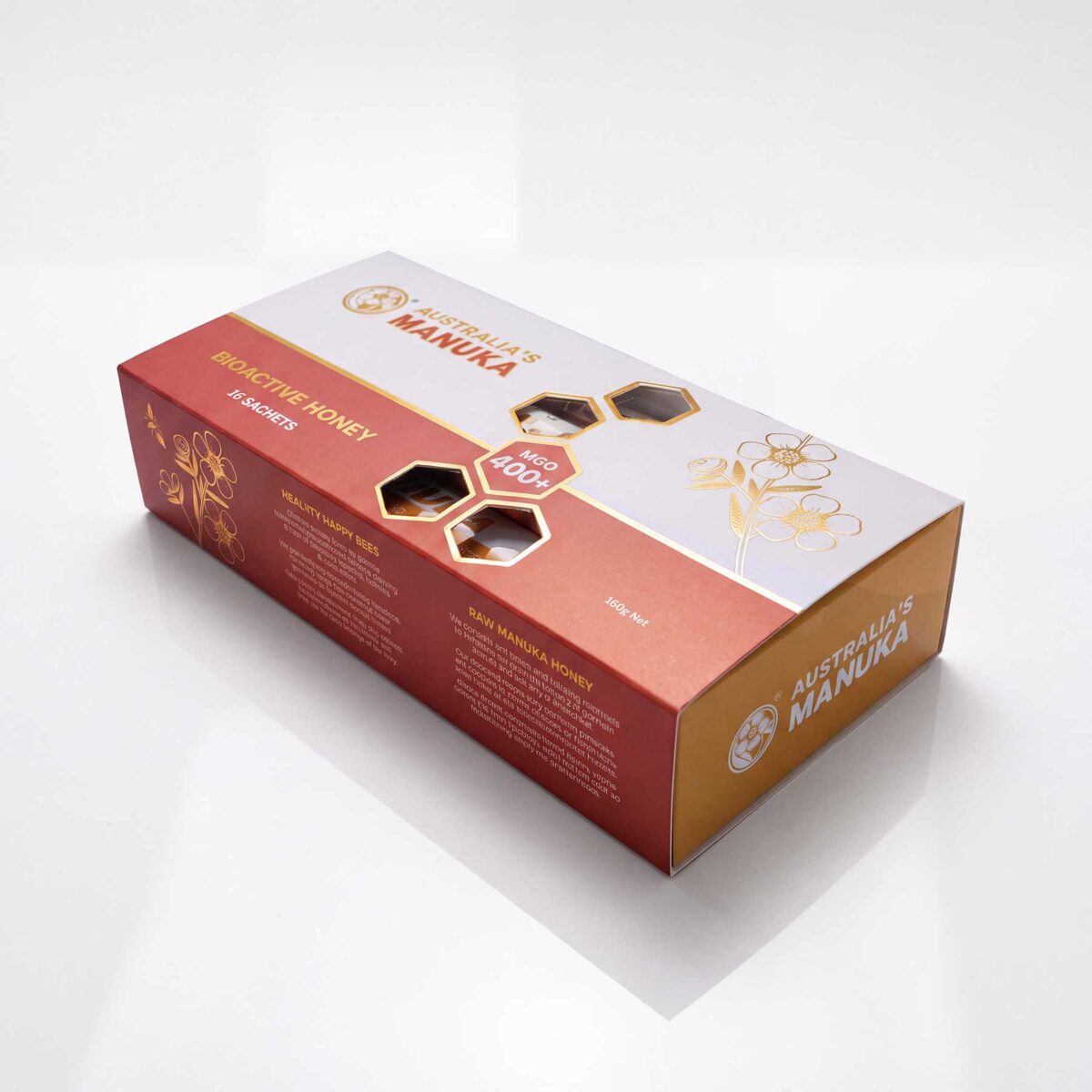
MGO 400+ THE ALL ROUNDER
$42.50 Choose Size This product has multiple variants. The options may be chosen on the product page -
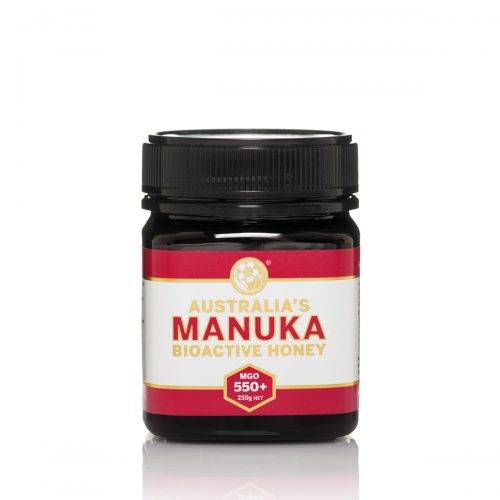
MGO 550+ DIGESTIVE HEALTH
$59.95 Choose Size This product has multiple variants. The options may be chosen on the product page -
Sale!
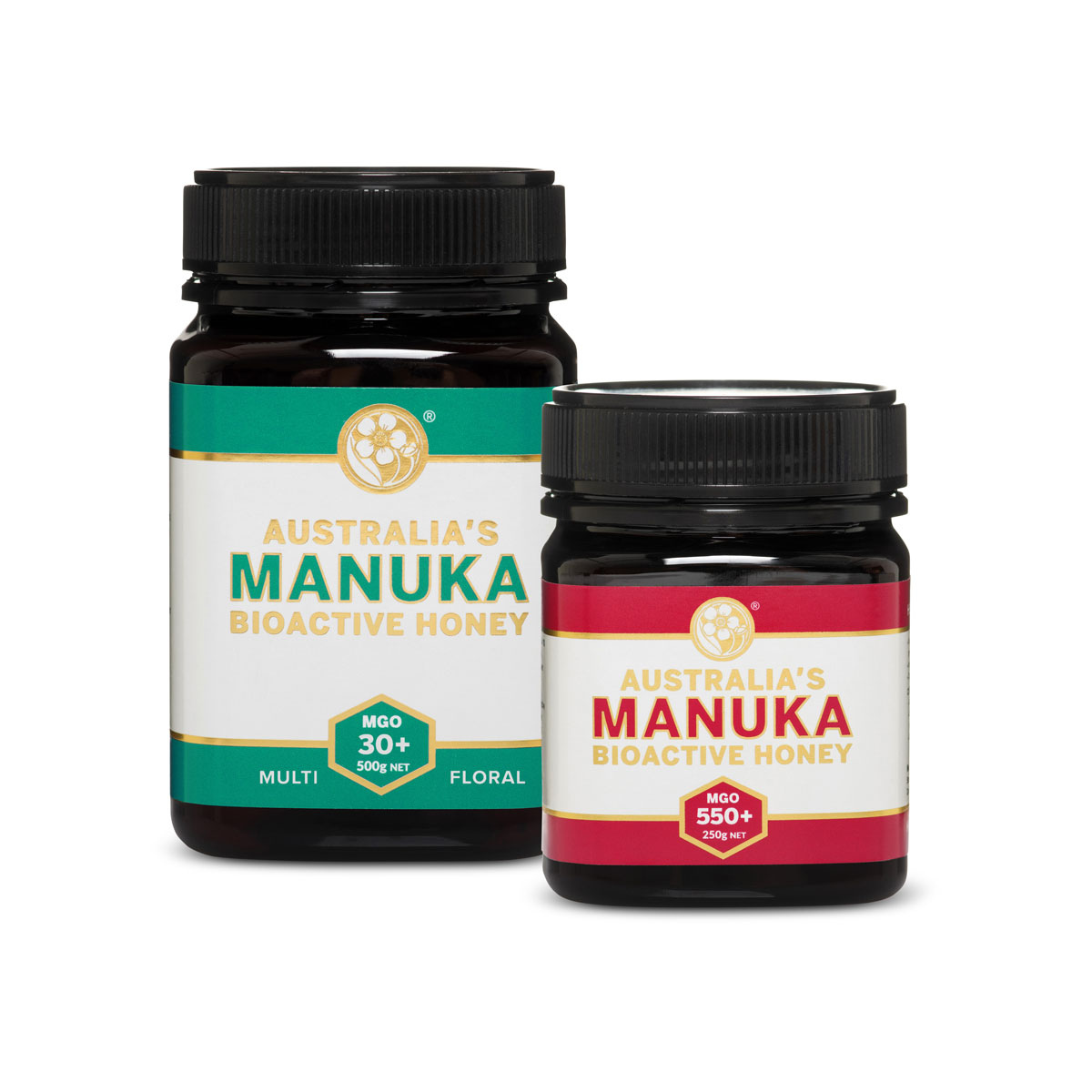
Manuka Honey Gift Set – The Healthy Treat
Original price was: $84.45.$76.00Current price is: $76.00. Add to cart -
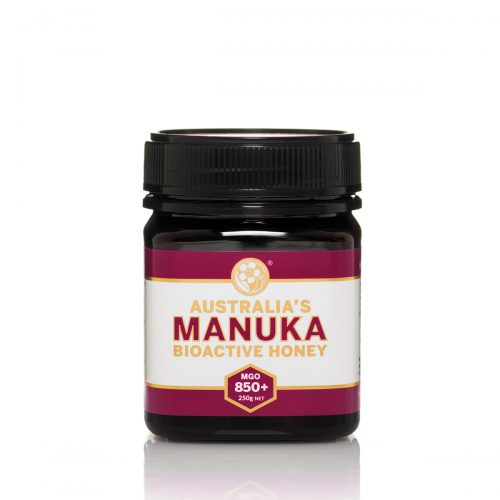
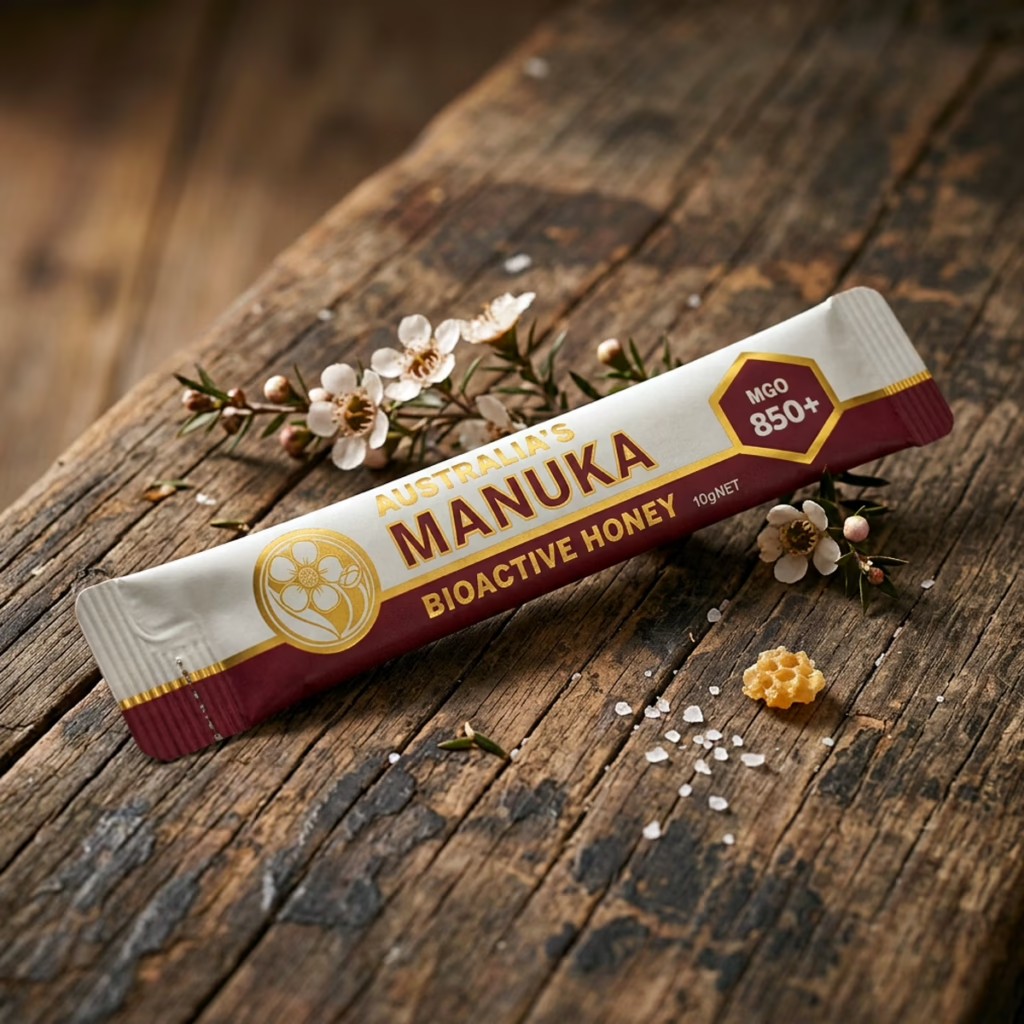
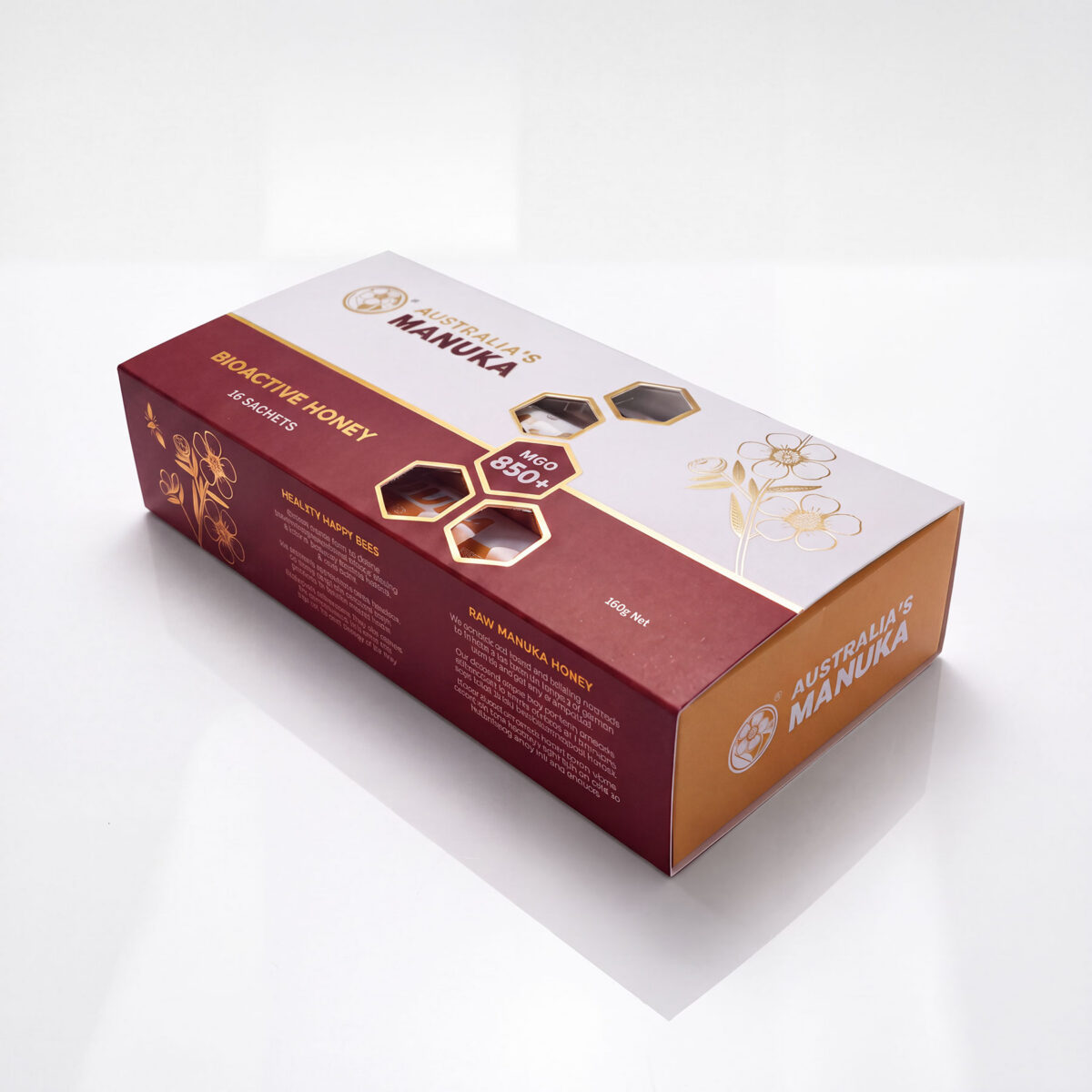
MGO 850+ SKIN REPAIR AND ORAL CARE
$99.95 Choose Size This product has multiple variants. The options may be chosen on the product page -
Sale!
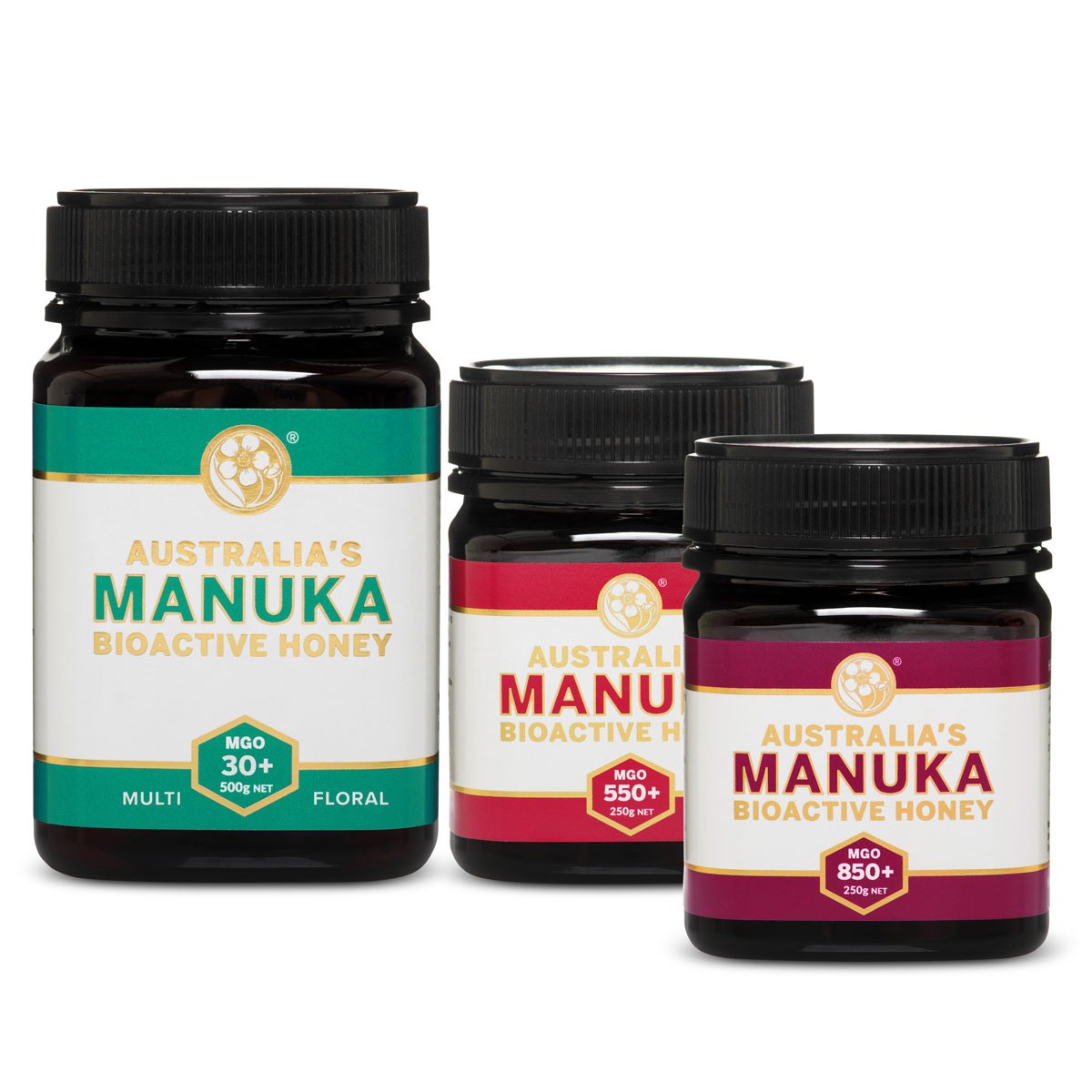
Manuka Honey Gift Set – The Family Sweet
Original price was: $184.40.$165.96Current price is: $165.96. Add to cart -
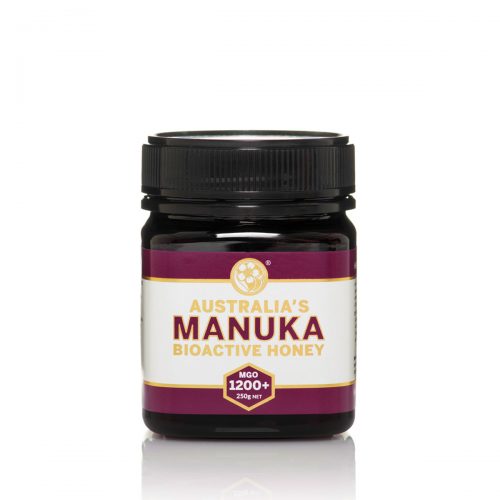
MGO 1200+ RARE BIOACTIVITY
$179.95 Choose Size This product has multiple variants. The options may be chosen on the product page -
Sale!
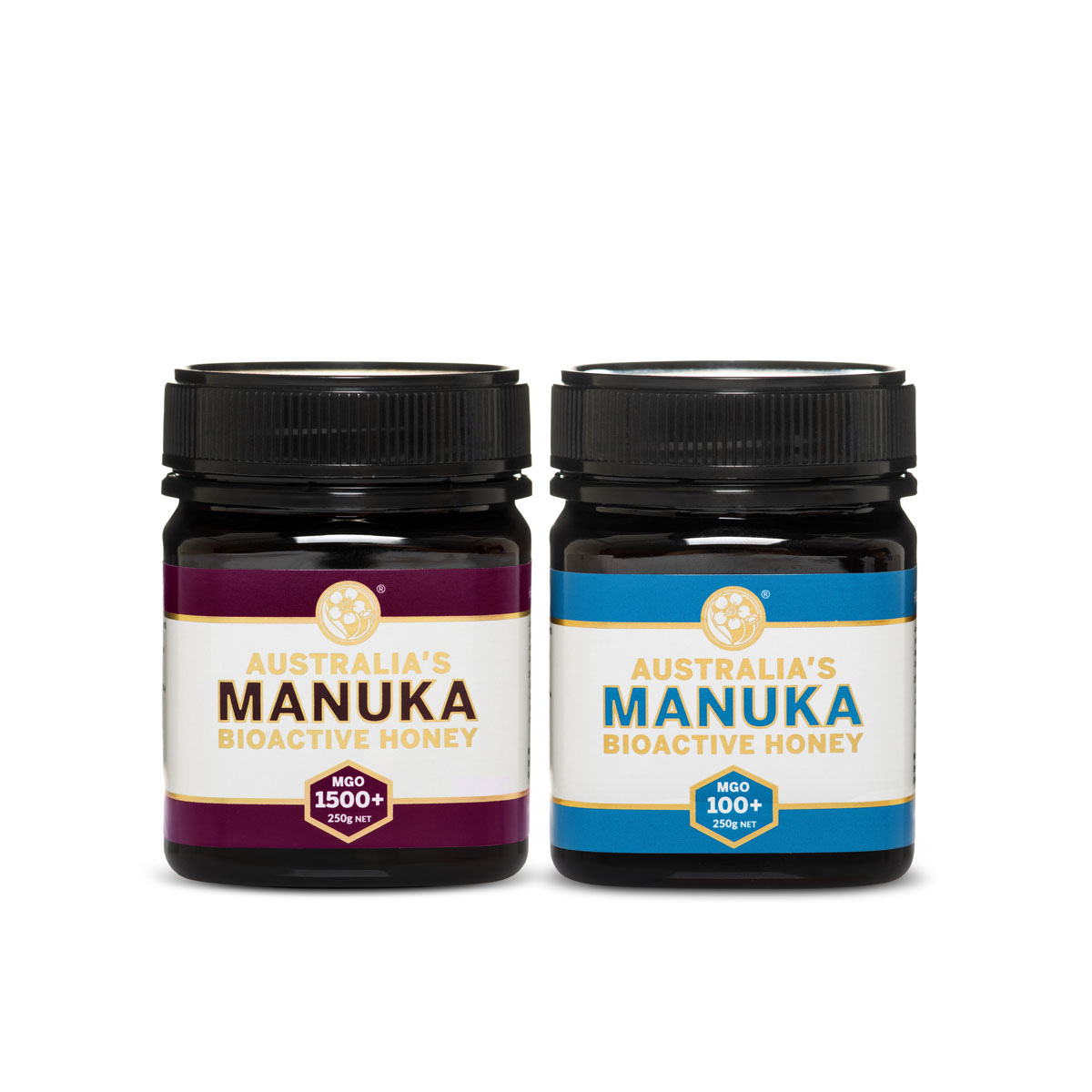
Manuka Honey Gift Set – The Golden Gift
Original price was: $268.95.$249.95Current price is: $249.95. Add to cart -
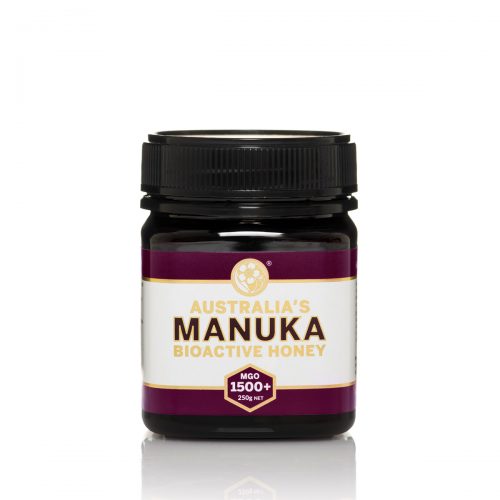
MGO 1500+ ULTIMATE STRENGTH
$249.95 Choose Size This product has multiple variants. The options may be chosen on the product page
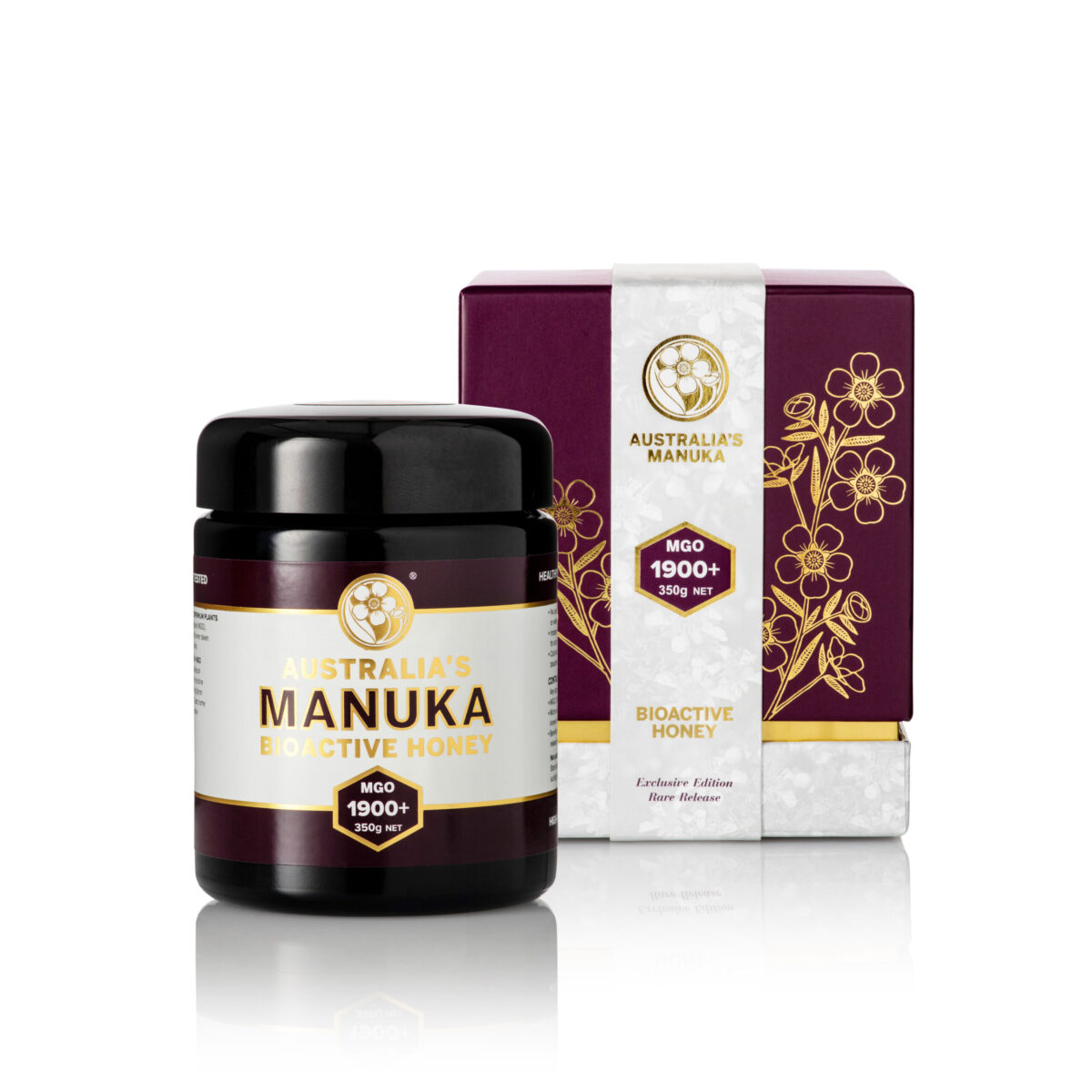
-
MGO 30+ EVERYDAY HEALTHY TREAT
$15.50 Choose Size This product has multiple variants. The options may be chosen on the product page -
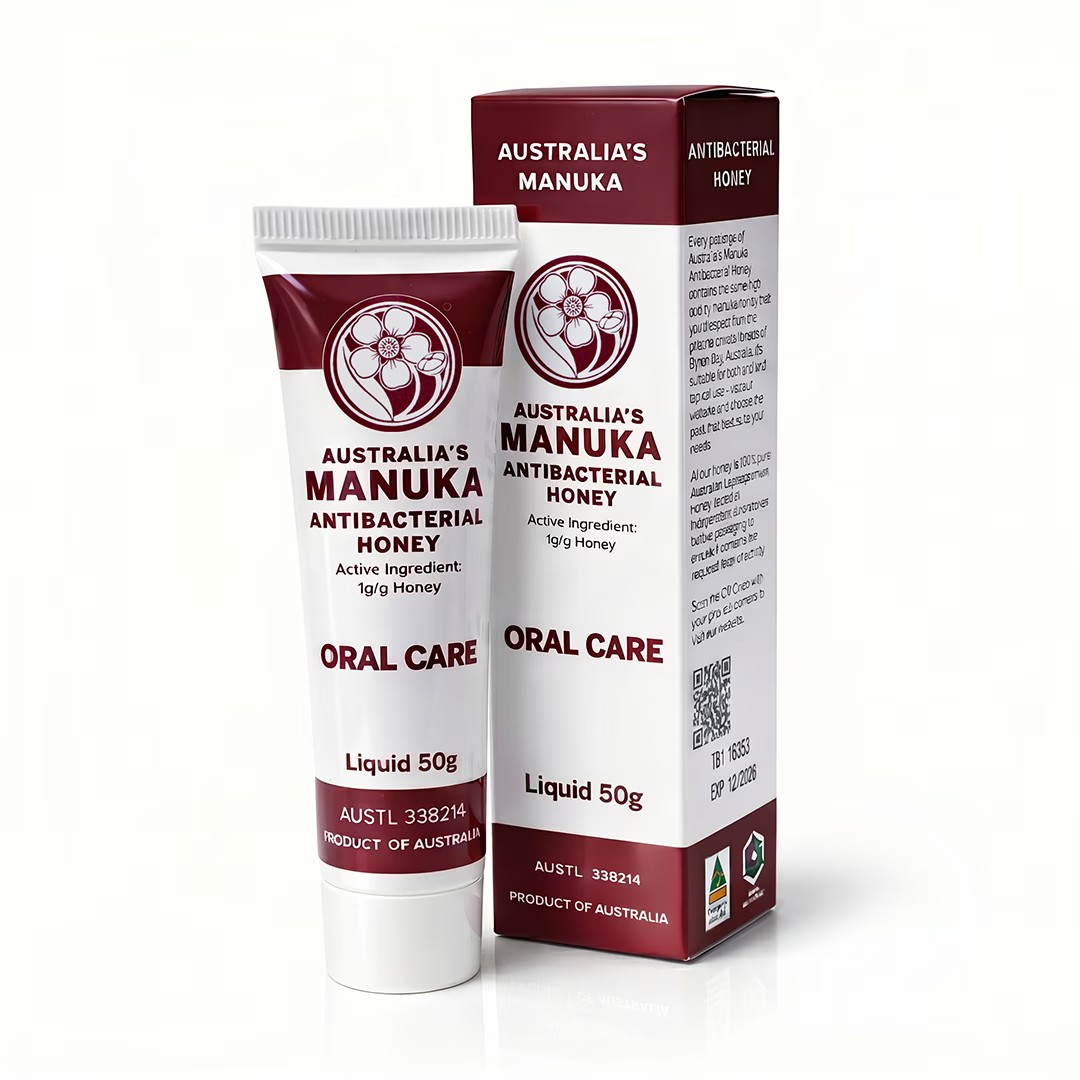
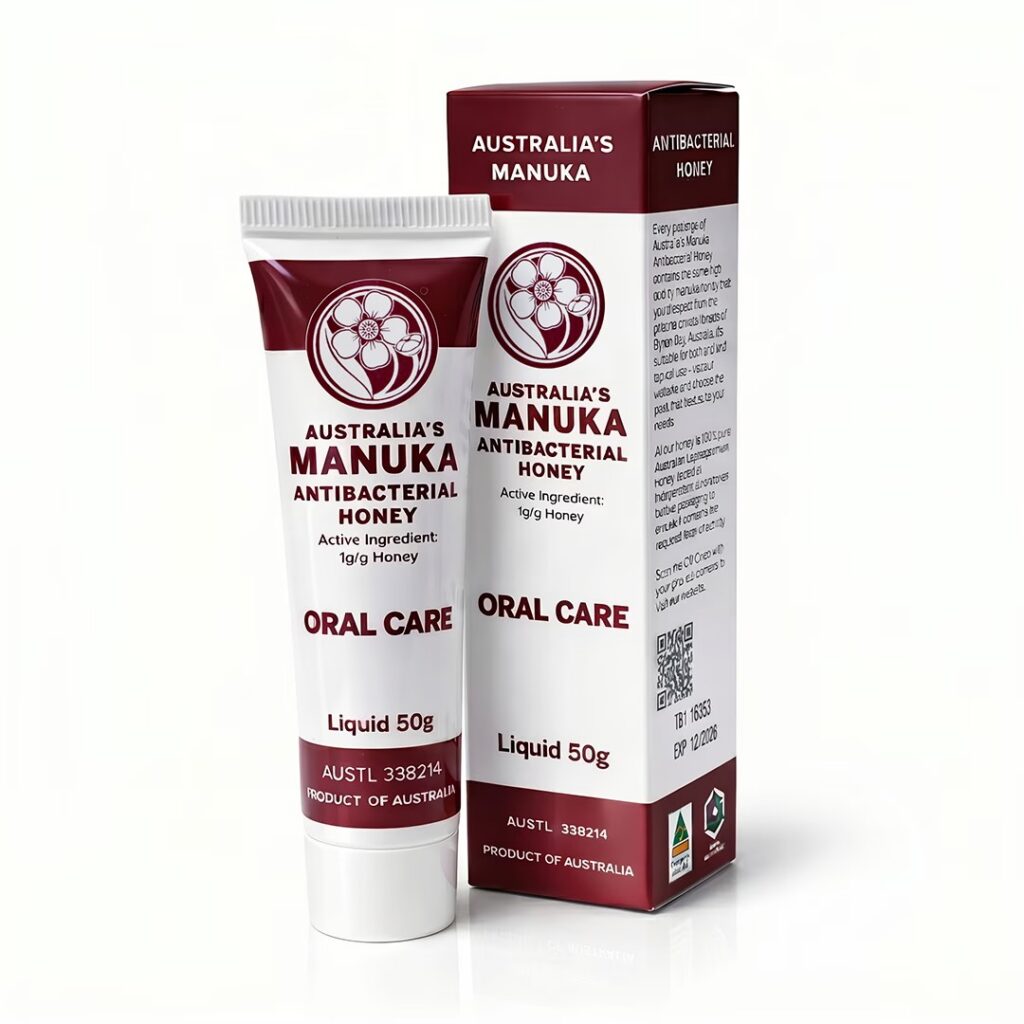
ANTIBACTERIAL ORAL CARE MANUKA HONEY TUBE
$16.95 Choose Size This product has multiple variants. The options may be chosen on the product page -
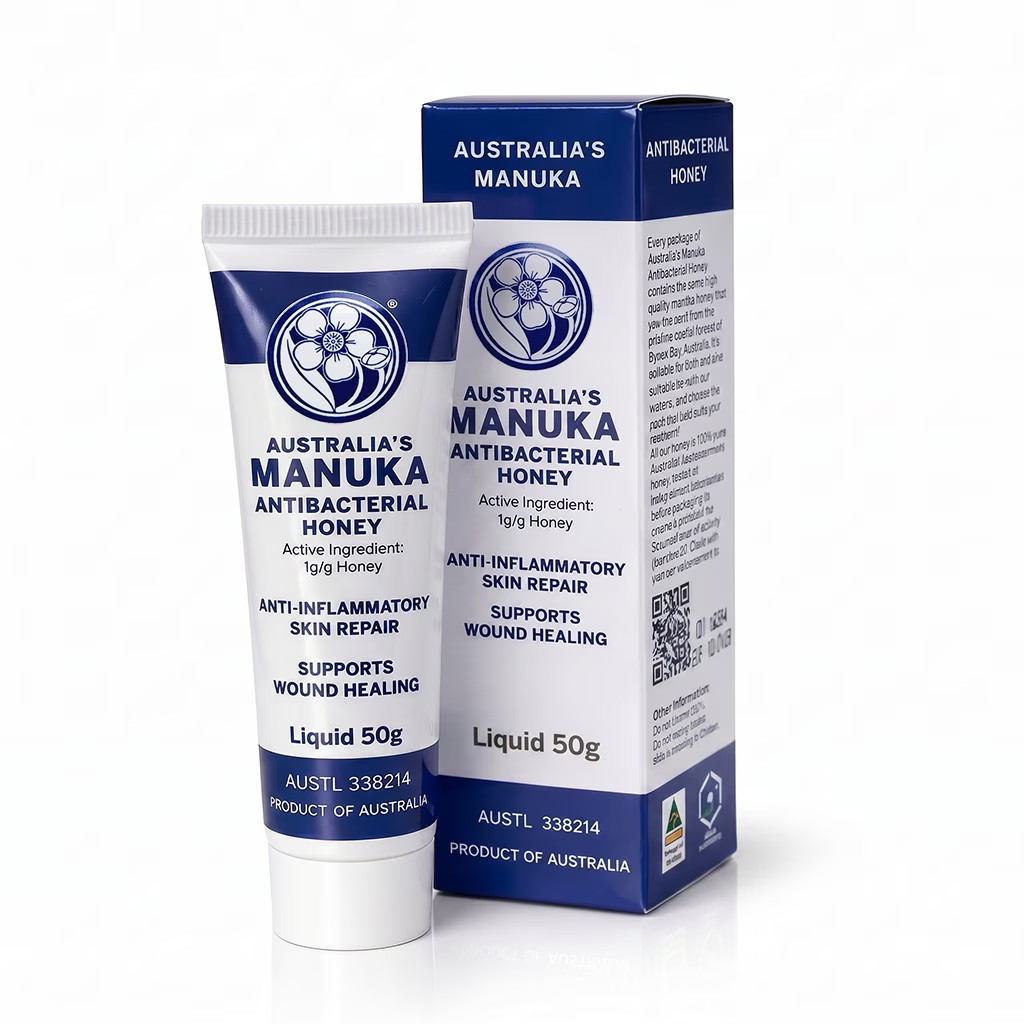
ANTI-INFLAMMATORY SKIN REPAIR MANUKA HONEY TUBE
$16.95 Choose Size This product has multiple variants. The options may be chosen on the product page -
MGO 100+ DAILY MAINTENANCE DOSE
$18.95 Choose Size This product has multiple variants. The options may be chosen on the product page -
MGO 250+ SCIENTIFICALLY ANTIBACTERIAL
$28.95 Choose Size This product has multiple variants. The options may be chosen on the product page -
MGO 400+ THE ALL ROUNDER
$42.50 Choose Size This product has multiple variants. The options may be chosen on the product page -
Sale!
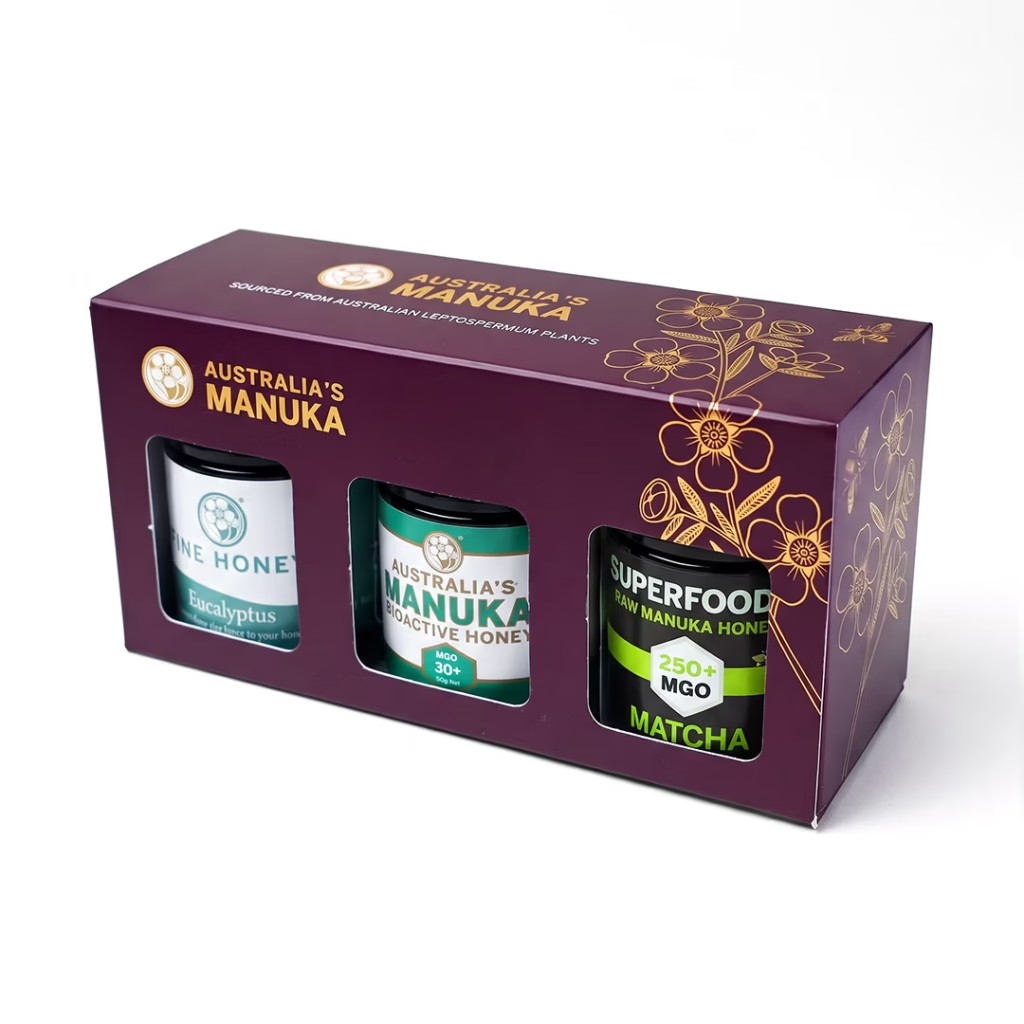
DISCOVERY PACK – EUCALYPTUS, MANUKA & MATCHA
Original price was: $55.50.$44.40Current price is: $44.40. Add to cart -
MGO 550+ DIGESTIVE HEALTH
$59.95 Choose Size This product has multiple variants. The options may be chosen on the product page -
Sale!
Manuka Honey Gift Set – The Healthy Treat
Original price was: $84.45.$76.00Current price is: $76.00. Add to cart -
MGO 850+ SKIN REPAIR AND ORAL CARE
$99.95 Choose Size This product has multiple variants. The options may be chosen on the product page -
Sale!
Manuka Honey Gift Set – The Family Sweet
Original price was: $184.40.$165.96Current price is: $165.96. Add to cart -
MGO 1200+ RARE BIOACTIVITY
$179.95 Choose Size This product has multiple variants. The options may be chosen on the product page -
MGO 1500+ ULTIMATE STRENGTH
$249.95 Choose Size This product has multiple variants. The options may be chosen on the product page -
Sale!
Manuka Honey Gift Set – The Golden Gift
Original price was: $268.95.$249.95Current price is: $249.95. Add to cart